'Insider Trading' Kalshi and Automatic Art Critics
Essay / 23 November 2026 / By: Eileen Slightly
If you are anything like me, then any time you open the news, a big fat grin spreads across your face. So when I saw that Kalshi (prediction market/gambling app) has partnered with Artnet (online platform for researching, buying and selling art), to make a new financial product for our casino age, I threw open the curtains to the London micro-plastic smog and cheered. If you don’t know what prediction markets are, they’re (newly legalised) platforms for sports betting in the USA that people have been using to do insane insider trading scoops on wars and other events through crypto proxies (one anonymous trader made over 500,000 USD trading on events around the Iran strikes).### But I’m not mad. I’m not mad. I’m an anonymous critic and I am a futurist, and I am going to win. Because you see, now, instead of making money on art the old fuddy-duddy old-fashioned way that the work of art should be profited off by those who did no labour to produce it (buying a cheap artist, hoarding 80 of their paintings and then drumming them up at auction so you can make a fat cheque), now we have an amazing opportunity: to quickly and effortlessly ruin the lives of the artists we hate.
Here’s my situation: I have artists whose work I hate, and I would do anything to see them fail. Thanks to this partnership that has created the bet ‘X artist’s work will sell at auction for less than X amount.’ and my unlimited Claude subscription, my job as a critic has never been more relevant and I have never been more powerful. The AI agents who will be scanning the internet for research that can support their automated bets will fall prey to my revenge scam: I can get bots to write blogs, fake research papers, Instagram comments, fake controversies, all from some proxy untraceable IP address registered abroad. This will then be read by the other bettor’s AI, which will place bets under the impression that having read criticism, that they are informed. It’s a flawless scheme, or so I think.
Somewhere out there, the artist whom I hate has got his gallerist to buy the ultra Claude expansion pack, and he has his agent-critics on job. My bots are now producing think pieces against an artist while his agent-critics produce think pieces for his work, which will be read by the AI agents with no body of taste, to arbitrate between them.
The bots are confused, they have all read the SparkNotes PDF of Simulacra and Simulation, and then they have all read the other one’s reading. It’s all too fast, the event is preceding itself, the algorithmic actions are paradoxically stochastic and overdetermined. And it's confusing the auction houses. ### God forbid! They are building a massive server next to all the Kunstvereins so that they can make art-value trades one quantum second faster after a show is installed, so that they can have the faster and correcter opinion.
The bots have got confused, they are flooding the Xbox Live chat with commentary. ### They have realised that in the fight against the other reading bots, that if you can take an anonymous art criticism blog where people use the pseudonym ‘Puke Turner’ seriously, you may as well take Xbox Live chat seriously. Xbox Live isn’t even a thing anymore: indeed, the bots have got confused, they are talking about Baudrillard in a discord and asking if Realism is Nostalgic.
The hated artist’s low estimate drops three points. A bot in Frankfurt, that has never seen a painting, adjusts its position. Critical power becomes equivalent to the price of electricity, in art and in everything else. I am going to personally be drilling in the north sea so I can power my AI bots to write criticism that destroys the careers of my peers, fuck it.
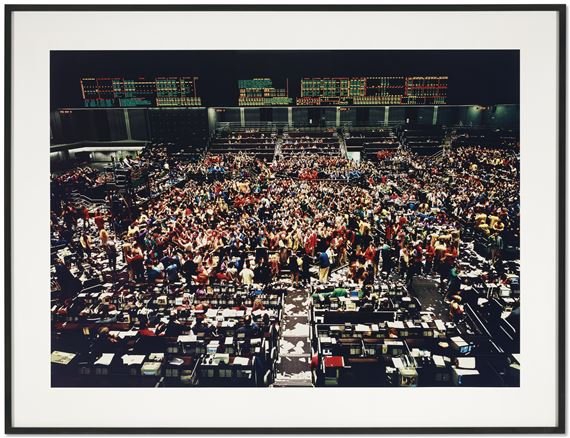
Unlike the silicon valley futurists/political economists such as Robin Hanson and the founder of Ethereum Vitalek Buterin, who have argued that prediction markets are the best technological apparatus to get us ‘away from post-modernism’ and toward a technological system that offers an undeniable truth, we can see that the market does not converge on truth, but whoever has the better server farm.
I began to feel sad, to wish for the naive early 21st century, the earlier days of ‘insider trading’ between art critics and artists. You make work I like, I write about the work, we are all in a circle of friends and cool insiders, you scratch my intellectual/spiritual back, I scratch yours and we all somehow get funding from the German government and a book out on Sternberg Press. This was an acknowledged dynamic; this was a good and cool dynamic, honestly. Now in this future, any AI can put up a semi-convincing or at least academically LARP-ed article on a piece of contemporary art. I suppose these days are gone, now that just any bot/anonymous critic can have an opinion…
…I realise now, with the prediction market’s invitation to slop, we need art historians more than ever. ### XD Oh god, I say, looking at my bank balance, decimated by payments to Anthropic, OpenAI, Thames Water and Octopus Energy. ### FUCK, I should have got that second art history MA. It would have been the canniest financial decision. It turns out that we need do people with a sophisticated contemporary art historical knowledge (which of course includes histories of personal intra-action, of subjective interpersonal relationships). We need them to cut through the deluge of art writing and PR pieces, the genre of ahistorical “takes”, the kind of article that links a painting to a bit of “theory” in a case for its importance and calls it a day, and to write actual histories of the recent present that contextualise and argue for the valence of certain aesthetic values. PLUS: unfortunately for smooth-brained anti-humanist transcenders, we are going to have to stick with the negative dialectic!
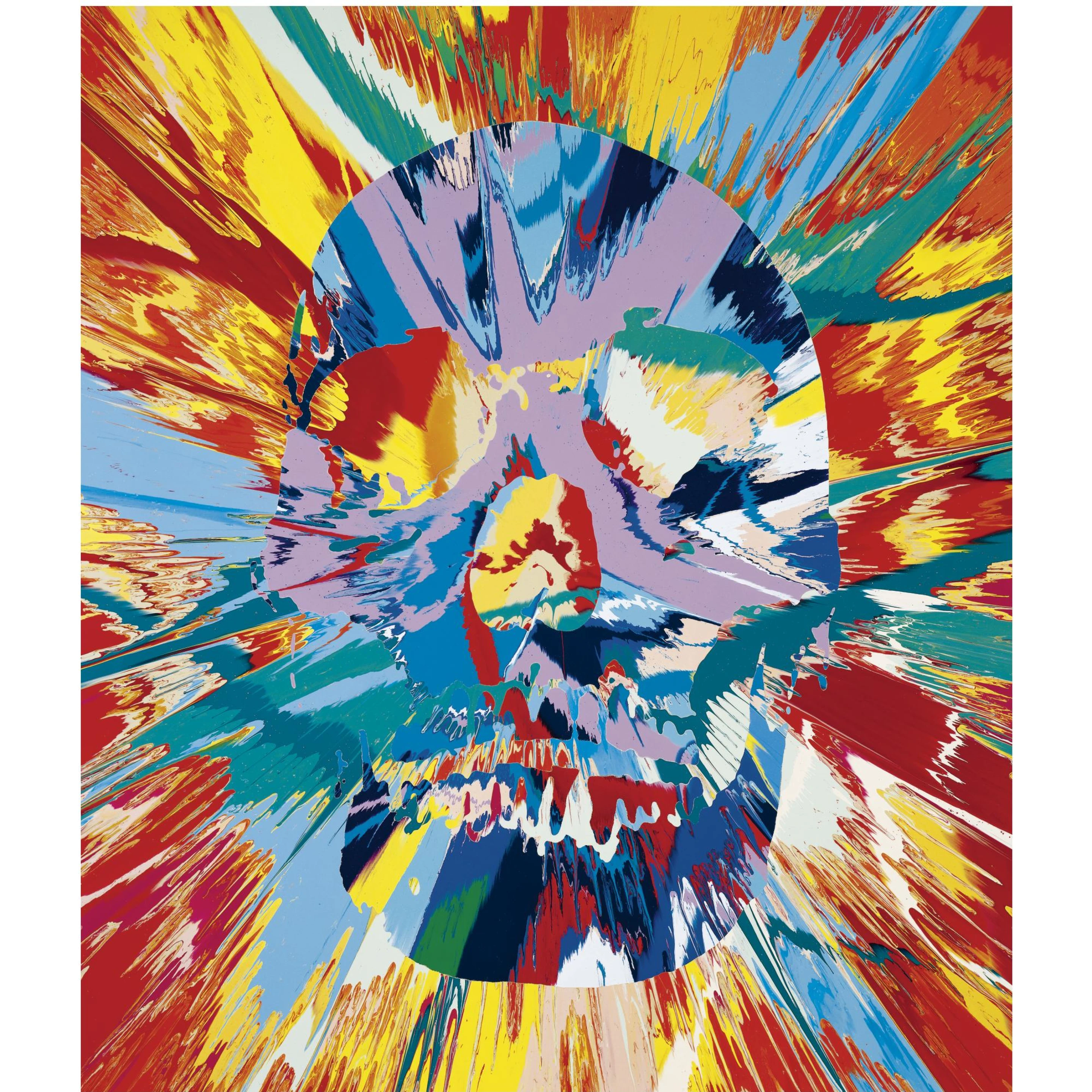
Much has been said about the notion of insider with regards to the relation of art to art criticism. This new trading element is simply a futures market in art ideas, captured by platform capitalists in a paradoxical disintermediation (or rather re-intermediation) of aesthetic value. Which is to say: the platforms claim to ‘rationalise’ the relationship between person and value by cutting out the middle men (critics, gallerists, expertise), in a bid to install themselves in their place. It’s not so shocking really- this financial instrument created between Kalshi and Artnet is actually just quite a tame bit of covid-era readymade protocol/nft art.
What is worrying however, is the ambiguous relationship of the unfortunate positions of those who publish writing on art. Artnet news published a piece earlier this year: ‘Prediction markets are conquering culture, the art world is next.’, since digital publishing of this kind is inexpensive and is formally flexible, there is a blurred formal line between the cold clear news and the opinion-piece. Although the protestations of several artnet employees to the Kalshi partnership must be noted- there is something quite troubling about the capacity for pieces that are written in this way to manufacture consent without arguing for a side at all- it narrates the arrival of the merger as already underway, leaving no room for reader opposition only enthusiasm or dismay about something inevitable. But then again, why should I care? I shut the curtains on the London smog and I return to my computer to type my newest take: those who publish writing on art do have to acknowledge our own role, bot or not, in normalising the relation of insider trading, the realpolitik of making the ‘market’ and art sing in concert.