Blog / 22 May 2025 / By: Countess Elizabeth Bathory

"Dead body dictator" - The Diary of Countess Elizabeth Bathory Vol.1

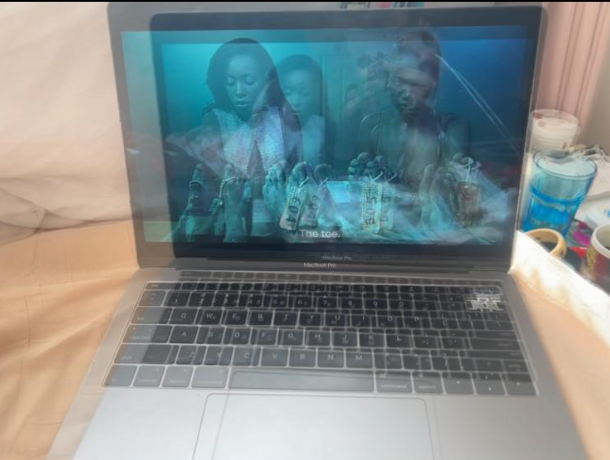
I met Countess Elizabeth Bàthory in the pub opening her leather trench coat, I was hoping she would flash me but she only wanted to flog me her DVDs. “Cult…” she gasped, between breaths of cigarette smoke that came trickling out from her mouth, and perhaps also her nose and ears... she seduced me through her last remaining eyelashes giving me the look of a smouldering cinepheliac... I could only oblige... My roommate stole my DVD player and I cancelled my MUBI subscription so I left 20 quid poorer and with so much plastic in my living room, watching YouTube Shorts. Where was the cinema? I saw her again sleeping under a piece of carpet in a corner of Peckhamplex. Timidly, I asked her, since I couldn’t watch the films myself, whether she would be able to summarise them for me. “I already have,” she said, “I’ve been thinking of you.” She touched my hand as she gave me a stack of papers, she was soft with an ancient twinkle in her eye. This new blog series for Hollywood Superstar is a transcription of her manuscripts.

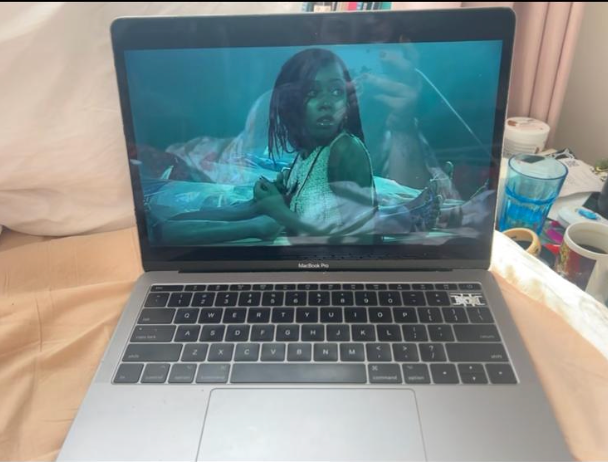
Vol.1: The Bloodettes (2005), set in Yaoundé, Cameroon, in the year 2025. Director Jean-Pierre Bekolo said that he was bemused to hear from European critics that he had made "The First African sci-fi film". An outspoken critic of Western film festival imperialism and its obstruction of African cinematic self-definition, Bekolo addressed these concerns directly in his 2018 open letter to the Berlinale, which can be read here. Bekolo makes films for “places, not for audiences”. His films are about Yaoundé, where “funerals are the best parties,” and where the complete mimicry of the Hollywood horror genre is neither possible nor desirable. Instead, by attempting to make sci-fi in a place without a future - where bureaucracy is bloody and time is unstable - Bekolo’s process yields a film of “many impossible genres.” Shown last year at UCLA’s programme African Futurism perhaps this morbidly sexy political satire fits more comfortably in the tradition of The Gothic. Two vampiric sex workers deal with the dead body of a dictator by using their seductive/destructive bodies as modern agents of the pre-colonial women's secret society Mevoungou. For the enjoyers of neon-soaked streets, those who want to see women sexually dominate in ways scientifically unforeseen, those interested in hearing the hardest loop from a post-millenium soundtrack…

- Eileen Slightly

The diary of Countess Elizabeth Báthory: The Bloodettes (2005)

'My friend is tired - Your corpse is beautiful’
One moment the light and sounds were falling out of the shut door, and the next only a scream. It’s weird however used I am to women screaming it’s always a jump to hear someone you love do it. Into the room we fell from the ceiling, His body was cold, wet and stiffer then His cock just 2 minutes prior. How did a man write and direct this, how did he write us so right and real we not only demand respect from you, but love and respect ourselves. Anyway, more of that later. First we gotta find out what to do with this Goddam body. All these powerful men coming and cumming night in night out, they uphold an idea of this country and our cunts that frankly don’t work. You see this country is independent now, but the structure of hypocrisies was left behind, and these dogs of men desperately re-enforce it.

How can you describe our future when you’ve only focused on re-writing our history? We’re living in the future of 2025, listening to mevoungou, we know this dystopia like it avoids us. How can you expect us to dance and sit and look this goddam good just to belittle our native tongues? Yep you paid for this night, but we paid for this country with our asses.

“How can you film a love story where love is impossible?”

Quickly we lost his body either in a fridge or another scene, now alone with us three in this car and his head in a Sainsbury’s bag for life, we ride.

How can you feign sisterhood? I can’t even explain it, you would just have to experience it, or you just have to believe when I say it’s me + Majolie + Chouchou 4eva. To recognise the ‘I’ is to admit there is not only you but others, tonight I reject this self-alienation, there is no ‘I’ only ‘we’. Our blood has been sucked and un-sucked time and time again. Who said this story is one you can follow? You make us laugh. This is beyond narrative, beyond these structures and beyond the systems we’ve been raised in. Tonight we will get ready in our own time. Slow motion fight scenes in front of cars and hotel rooms remind me of the old kung-fu movies we’d mimic as kids, the powers of the east to battle the evils of the west. We shimmy around putting on knickers and skirts and swapping tops and blotting lipstick. Circles around the bedroom, I smile up at the posters they have in their room, especially the Scream (1996) one that I too have hung on the wall in the nook of my lair. Our beautiful bodies joyfully montage to the repeating melodies, we hum along. I feel the blood leave my veins and I’m light headed again. This is sacred.

Eternal powers, cgi, holding her hand. We sit to eat at the table in the room we cooked in. I sip lots of green potion from my comically large wine glass and transport back and forth from this alien planet to the moon. 2025 is here, I wear glitter on the lids of my eyes and the sky has the colours of love bites and wine.

“How can you make a horror film in a place where death is a party”

I slurped and sniffed too many letters this weekend and now the salt I lick from my fingers burns my tongue. He throws a punch and I knock him to the ground, my kung foo choreo is reminiscent of Bausch; the absurdity of reality. Blood takes a hold of him, clogging up his airways, choking him, he always liked it rough. He splutters red, Majorie reaches over and with her finger collects the thick dribble and smudges it onto her lip and cheek. My tummy grumbles. Only through destruction can we achieve such beauty...or something like that.

When their zippers are undone, their walls come down, they told us all their secrets and now we can use them to bury the body.
Stood around the open casket, orange plates holding cake. We exist in these spaces of the in-between and nowhere in particular. How did we get here? Was this before or after? It doesn’t matter, it just happens; how can we continue to make sense in plots and art when the real life makes no sense at all. Our world holds too many histories, projections and thingamabobs all too intersected to be told or sold separately. Christian Metz defines fiction as “seems-real” tonight we define fiction as “non-fiction”. The General's dead and we gossip over his body.

I spent this evening surrounded by my best friends, but whispering with Him, he too saw the words I was saying. They bled into his skin and he said little but wrote me the sort of lines I usually struggle to write. We performed so naturally that I wondered if we’d directed it together, or if he just had once been me as well as the director. I don’t know, it’s confusing, but as I said, isn’t that the point. This evening bled out of his skin and we appeared clean in a morning. I smiled on my way home, clambering into bed with my Majolie and my Chouchou, they sleepily engulfed me with body and blanket, and together we shall wait for tomorrow.

"How can you make an action film in a country where acting is subversive?”

Why the fuck are you still trying to answer me? There is no answer. Well I’m lying. There’s too many answers, a thousand truths and you still pick to pray to one. The lights flood out the opening door,
out the hotel bed sheets,
out the limousines window rolling down,
out the open casket,
out all the holes,
bam.
BAM. Light floods out over us all, and how can you still hide in a place with no shadows but your own?
Blog / 13 May 2025 / By: Floss Crossley

"Playing Risk in Cosplay by Accident" - Floss Answers Sydney Sweeney vol.1

As part of a regular blog, waitress-turned-writer-turned-political-savant Floss Crossley responds to baiting questions from Editorial. Crossley mediates on political apathy, slacktivism, dictatorial boardgames and the continually futile philosophising of micro-trends. WE THANK HER.


I just invaded China by candlelight. The electricity has run out.
I lost my card again so I can’t take money out so I can’t top it up at the store.
But it’s ok we have some old wax burnt down to a height too ugly for
tomorrow’s restaurant guests. My ears are warmed by an aviator hat I refer to
as Russian and my boyfriend’s upset his new jacket will be my new jacket now because he
thought he was a woman’s small. His six silver buckles are
creaking out a whistle from any slight movement.

My friend L starts shouting at my friend M. M’s dressed like he’s a
young Sci-Fi concubine- loose twisting linens and high-laced
leather boots. L is in a tall Prussian Cavalry hat, black, red
lining, gold stitching. M rolled a six, as he always seems to
do, and now his two green men are a massive threat to L’s
five orange occupying Scandinavia. My friend E is bored
and wants to actually hang out and talk and things. She has a
weed leaf and a Jamaican flag on the camo jacket I gave her
that came in the post for me, but I couldn’t have ordered. I’m
in a coat that makes my shoulders extend to far greater
lengths than our grandmothers could have hoped for us in
the 70s when they burnt their bras.

Most of my legs are covered, but the last button is only nay heigh so the two parts of the
coat swing open to reveal my cute little brogues. They
ripped open on a job interview- but luckily the interviewer
was an artist, so I got the job and he taped them up, but the
only tape he had was for his artwork, which was real camo
tape from Operation Desert Storm, but then I’m not sure if
I’ve got the job anymore because this was six months ago and
it’s subject to funding. But now, if I take Russia, I’ll have the
whole of Asia, and I can expand west. I’ll let L and M shout
and I’ll laugh every time they emasculate each other so that
they will make rash competitive moves and not notice how I
benefit from a weakened Europe.

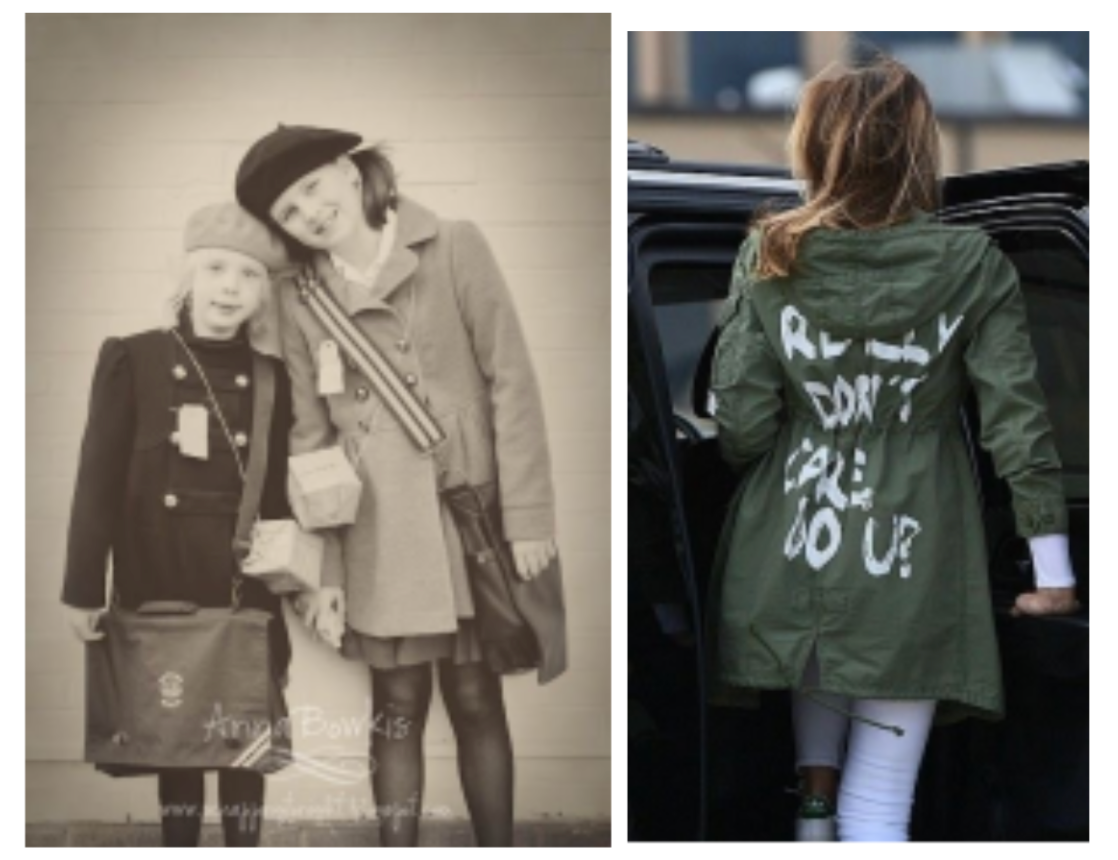
While L dramatically rolls his dice, I check the light box in my hand. I click “See Post Anyway” to a trigger warning on Instagram. I see a dead child. Their face is obscured by blood. Below reads “liked by my ex boyfriend and others”. I know he’s liking the journalism, not the content, but it still reads in bad taste. I look around at the kitchen. The room is foggy. E’s clothes dry dangled over the kitchen cabinets. She did not manage to get all the dog period out of her new Polish T-shirt so her Black Water merch really is stained in blood. The heat of the room - the wet smoker’s breath locked in to keep out the winter wind - causes the tape which held an old photo against the fridge to finally give up its last grip. The glue’s dried out. The paper floats calmly down - the space heater’s upwards breeze allowing it to fall in slow motion- turning seductively from a mysterious food-stained blank side to reveal to me a long enough flash of text and garment- Melania in Kakhi:

I DONT REALLY CARE DO YOU ###

When S. Sweeney asked me to discuss the correlation between my milieu’s habit of wearing military regalia and the current accelerating political climate, I have to admit I was a little defensive. My reasons to be so I think are summed up in that historic image of the First Lady climbing the steps of air force one.

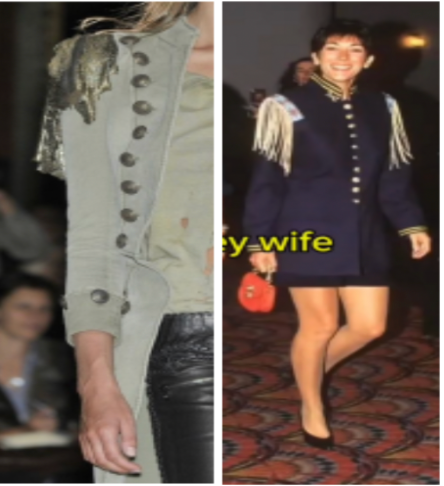
  1. I. Trendy Military jackets are nothing new, we’ve only just moved on from last decade’s olive green high street revolutionaries.
  2. II. I’m forced to address or even allude to the Indie Sleaze revival, and in a worse extension, I’m forced to address that a notable response of my friends and I - in the wake of mass global horrors - is as immaterial as a mild change in style and self-imaging.

One line of Research:

Vogue says:

Few garments better encapsulate the “I love typewriters and casual amphetamines” spirit of the indie sleaze than ornate martial jackets.

Even typing the words indie sleaze to say you don’t care about indie sleaze feels too much like an authorial legitimising of indie sleaze. (That's five
times I’ve said it now) I’ve always been
disgusted by the Hellp and the fit of their jeans. I
think it’s nice when my best friends waddle
around in tight denim and pointy sandals, but I
don’t want to see a plastic outline of what men
are lacking. I understand that the military jacket
is now often associated with the post-Celine
Opium for white boys vibe you see on evil “What
Are People At The X Gig Wearing” reels. And I
am uncomfortable with a restaurant coworker
assuming my association. But I do
own a typewriter and am prescribed
amphetamines. Separate to any contemporary
influence in this trend, there is definitely a bit of
newly or not-so-newly adults just dressing up as
what they thought a cool person looked like
when they were twelve. We have given up faith in new ideas of cool as they seem untrustworthy,
manipulated by all the microplastics and blue light rays we have since allowed to poison our imaginations.

There’s a very Gothic current to the English Memory of the World Wars. As a child on the 11th of November a melodramatic solemnness would take over me. In the shade of the town’s memorial monument, I’d display my plastic poppy on the square breast of my duffel coat with all the seriousness of a junior cadet. Staring up at the awesome obelisk, I would whisper a prayer for my troops and my country. The cold turning my little cheeks and fingers pink, I’d yearn for my father’s hand as he stood a foot behind me far away on the beaches of Normandy. I’d then wake up to shake my head at classmates slightly further along in puberty then I, their sweet perfumes smells and metallic crisp rattlings invading my total sensorial immersion in the still, calming fantasy of an old world war. At school, I took Evacuee Day so seriously that I was scouted by a teacher to play a sickly Victorian child in mortar and pestle workshops at the local community centre.

Maybe the hot nazis in New York think they’re being Libertines when they wear a trump hat and say retard. And the anorexic revival of this fashion is definitely not completely detached from their popularity. I do think, however, that a real fascist dress code is a lot more The Row than Slimane or Ali Express. People looked at Melania’s inauguration outfit and choked at the return to fascism. The Chanel style tailoring and colour scheme was certainly 1940s inspired, but I’d argue this is still cosplay over continuation. Georgia Meloni is a real fascist and she is one of the most normal looking people I have ever seen.

And, now, months after I began writing I’m still sitting around the table playing my board game. America and China are now in a trade war. Germany has promised to increase their military spending. I’m losing all of Europe, isolated in my island territory with a few guilty figures in the Middle East. They’re quietly well defended but unable to expand. It's Spring now so I wear a light Kakhi jacket I borrowed from L to dress as one of Gadaffi’s bodyguard for Halloween. I’ve paired it with a cute Glastonbury vibe dress just like TikTok showed me to. I want the white dress to feel like the end of the Hunger Games, I have my man and a child and a large expansive field with only birds over head. I'm not from District twelve, I'm from London and could probably do this all right now if I really wanted. But late at night I'd watch the Tesla satellites cross past the stars and know I’d still be in cosplay. The world is very loudly falling apart, and we know that we are not the real victims, nor the true perpetrators. We’re complicit through our impotency, we’re zombie soldiers dragged through comfortable trenches, hoping at least one of us could be a Sigfried Sasoon or Wilfred Owen.


Blog / 6 May 2025 / By: Editorial

@HSR_Reportage "EU:RE by Crush: TheCause"

Below are three accounts from the editorial team of their time at EU:RE/ London Woodstock/ Battle of the Bands. We hope that the multivalency of our narrative can put the ROCK back into baroque; as we shimmy up the Post-Drain pipe to the heavens of NEW BRITISH MUSIC. Here we are:

Cyberdog mini dress and over-the-knee black fishnet socks


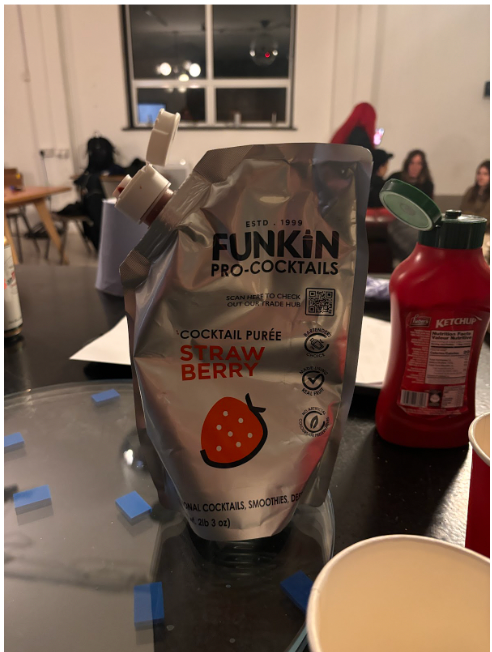
The fever dream which was The Cause became a house party without a house and an afters before the gig had finished. The night was a mystical green room with a club attached underneath. In the upstairs bar people kept accidentally drinking the non-alcoholic strawberry cocktail puree, which looked like ketchup in a cup.

The downstairs was an apocalyptic onslaught of what I’ve started describing as ‘Post Drain’. I’ve noticed a scene of kids, maybe 5 years younger than me, glorifying what my early teen years were. They are a mismatch of drainer sensibilities, Sherlock fanfic era tumblr, proto influencer-Charlie Barker mixed with early 2000s; emo, mallgoth, gyaru, grime, Lolita and e-girl.

This is what I imagine all those magazines are constantly trying to coin as the godforsaken term Indie Sleeze. I fear they have it all wrong. Yes, these guys are wearing Isabel Marant sneaker wedges - but - they aren’t trying to glorify the downtown Hipster scene of the 2010s or the indie aesthetic; it’s a much more nuanced amalgamation of internet-core. They’re fans of the ”UK underground”, they listen to BassVictim, Fakemink, Fimi, Feng, with their forefathers being Lancey, Yung Lean, Lil B and Imogen Heap. It’s heavily attached to the music being made now, not just a replica of past counterculture-turned-aesthetic.

The atmosphere of the club, despite making me feel fucking old at the age of 23, was good. I had begun worrying that Covid had fucked up the 18 year olds ability to party, but, as I danced (pressed up against the security guards trying to control Maria’s quirked-up crowd) my faith was restored. They happily partied to Leo’s 10-piece hippie band WPDMT complete with Effie’s hand-knit headbands, bongos and a whistle, and I have to say I’m walking away glad the scene isn’t all Hedi Slimane and no fun.

DSquared dress. Chie Mihara heeled pumps. Sheer white knee socks
I was in the Green Room when someone turned to me to ask if I had a filter. “Wait”, she said, “You actually don’t look like the kind of girl who would have a filter”. This was my evening at EU:RE at The Cause.

The green room is filled with people one could categorise in a high-school-cafeteria fashion. There are jocks, geeks, nerds, indie twee revivalists, myspace-emos, dolls and hot-quasi emo cheerleaders, clean-girl goths and warring ex-girlfriend vinted warriors. This may be a Jaded London culture grab visuals factory. I’m failing the micro-trend test, but winning the battle of sobriety, stepping over the vomit-caked shower in the toilets.

WPDMT, led by WPDMT (original member) and Rowan Miles. She sang like an angel and dressed like one of the nubile young women in the cult from Once Upon a Time in Hollywood. I respected the female-to-male ratio in this band, having spent a substantial amount of time watching all-male bands perform music to kill yourself to. WPDMT had the cadence of a sugary-sweet edible - it made the sweaty pit of the crowd feel like a shroom trip at a millennial Greenpeace festival. Think the scene needs more of that.

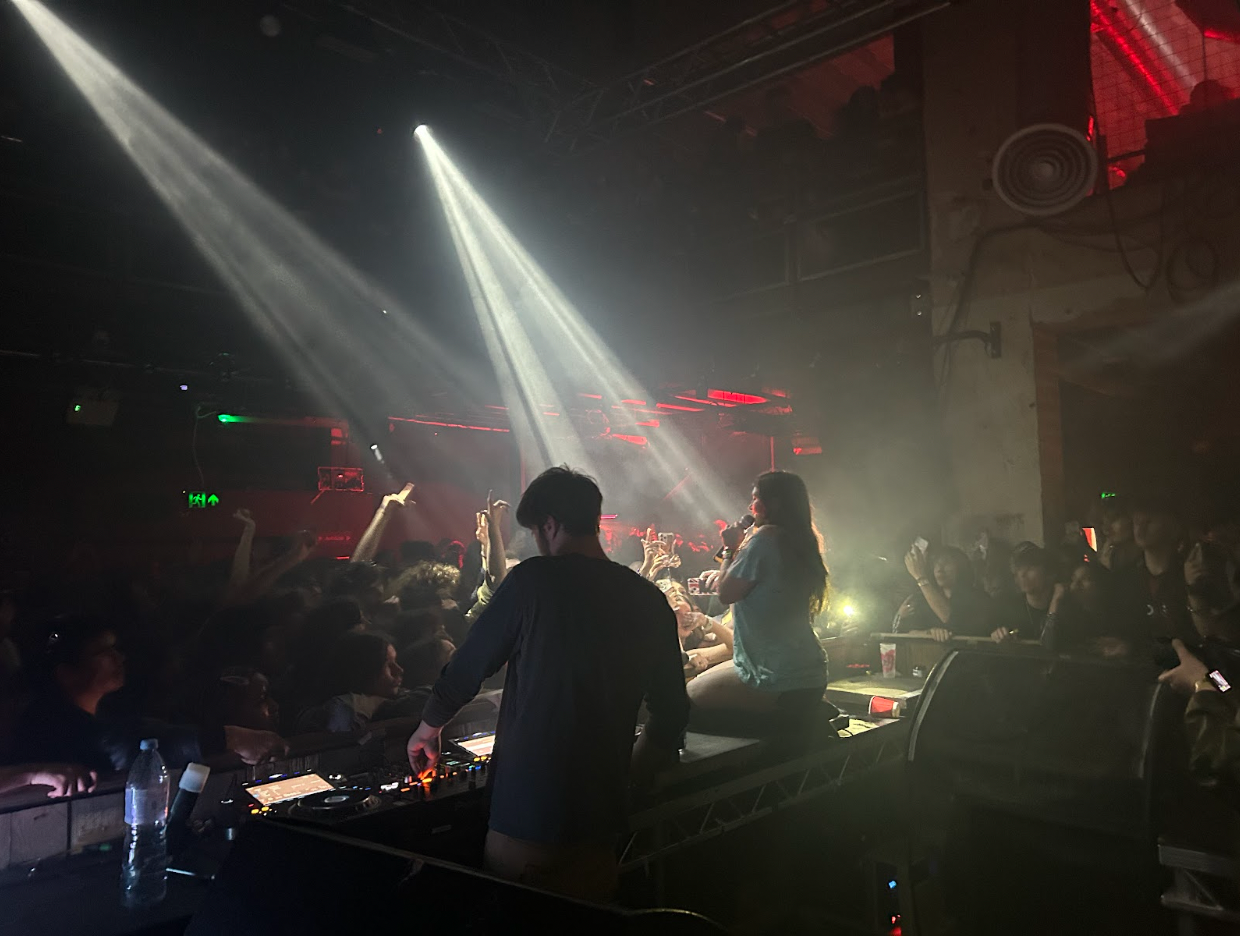
Bassvictim starts, and half the venue turns on their heels toward the stage. Maria’s ethereal: sitting on her knees (thigh socks are taped up with double-sided tape), hands outstretched into the crowd like she’s Mother Teresa. I have an image of her in my mind like this from a couple of shows, a baroque painting, where she leans toward the crowd while everyone’s trying to get a piece.

When Ike and Maria play, it's a mix between this heady, sweaty mosh pit and moments of absolute introspection and quiet; you're getting flung into someone, and the next moment you’re alone listening to Wooden Girl with your eyes closed.

Blue latex corset. White t-shirt. Vintage a-symmetrical skirt. Blue fishnet socks

I saw the most fragile minds of my generation grabbing at greenroom wristbands like they were the last helicopters out of Saigon
And the Viet cong was an endless flow of 18 year old emos
The mature emos (Mitsubishi Suicide) were upstairs
And so was all 300 members of Worldpeace DMT (and counting)

This is like my fyp in real life, but that’s not what I said, Issey K said that

Yung Lean saw my friend Fleur playing the whistle for WPDMT and asked her to go on tour
With him I was like damn that’s crazy.
When I say damn that’s crazy that’s when I know
my beer to coke ratio was completely off
And that I could neither smile nor laugh
Only agree. That
my corset had been squashing up my internal organs, I was like oh fuck
don’t puke on Young Lean’s bodyguards.

The curse of the cause was lifted at an undisclosed afters location
Which went on for the rest of the night and day and then some night again
Everybody gives a glimpse of their personal internal hell in these situations,
apart from Chill Chris who does Atomiser.
A tenacious doll (banned from Fold)
told me she was impressed, like damn, I didn’t know straight people
got down like this.

Everybody wants a British invasion,
recession historians aren't stuck for a reason
sensitive yanks come over
just to go back.


Review / 20 May 2025 / By: River Gaush /

"The girls definitely resemble their art" Review of After Amy, Chess Club, Hamburg

After Amy, Chess Club Hamburg 18.04. - 10.05. 2025

A few months ago I started turning my back on Contemporary Art. I had entered what I imagined to be a major phase in my early adult art/life in which I’d reject other people’s artworks and records of my own and affirm my recently acquired and self-proclaimed writer status through negation. It was dumb and after some weeks I realized that not looking at things worsened my eyesight, dropping from a Mild correction to a Moderate one.

Anyway, this text isn’t about me but After Amy, an exhibition of Jasia Rabiej and Ant Łakomsk’s works at chess club in Hamburg (18.04. – 10.05. 2025). I think there’s something great about experiencing prints/paintings/pictures (in this case I’m not sure how and if one should categorize them. 'Pictures' in the early 20th Century Gertrude Stein sense of the word seems to be the most fitting) that reveal more of their layers the more time you spend with them.

At first only formalist observations came to my mind and I couldn't tell if I liked the pictures or if I could even write about them. Though I wasn’t sure I found the work boring, something initially left me hanging on its surface. And then I met the girls. Jasia and Ant are definitely not just a surface but actually bright and funny women. Like, really clever and fun and a bit neurotic too. And that made me like the work more. When we went to have drinks on the rooftop terrace of the Radisson Blu —there aren’t many options to elevate yourself in Hamburg— they told us about J’s meme page that got taken down and Ant lectured us about the Polish Pope Jan Paweł II (RIP!).

I had conversations with Amanda, the Chess Club founder. Can one experience an artwork in its fullness if the artwork isn’t discussed or carried out with visitors, friends, and if one’s lucky, the artists themselves? I don’t think there is a way to know if you really liked something without talking or writing about it. Even when it strikes you like love at first sight, you still need to unfold what happened because it is so interesting to discuss what you love in an artwork. I guess it is difficult for me now not to see them in their art. You know when they say dog owners look like their dogs? Well, the girls definitely resemble their art.
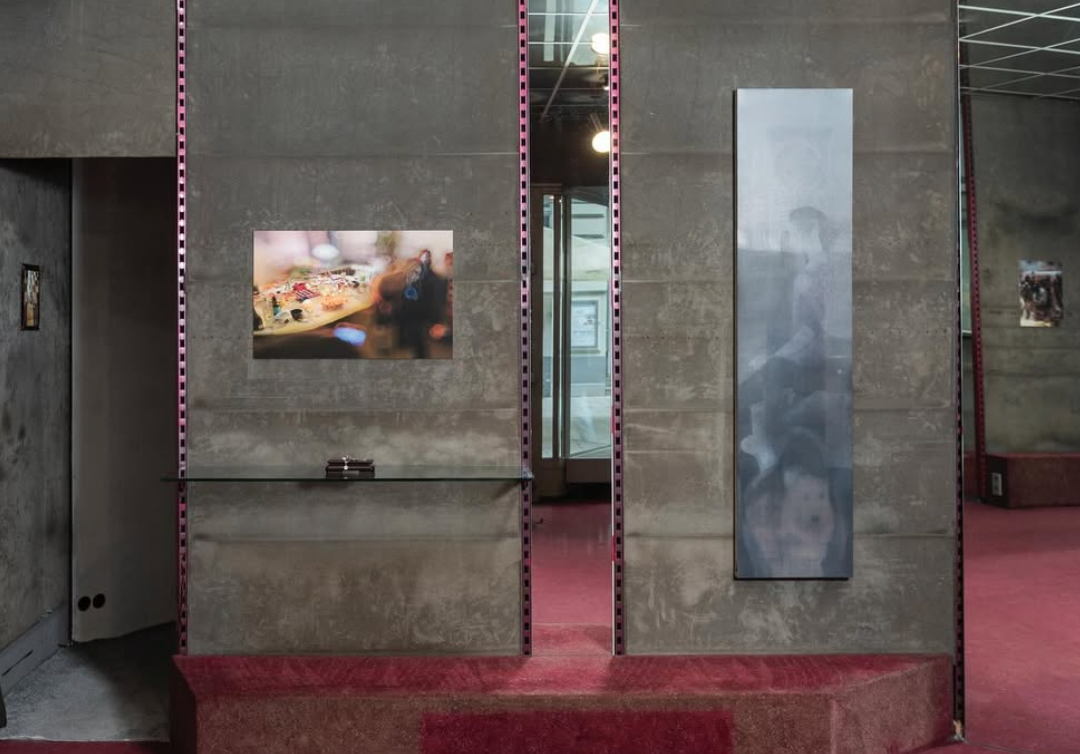
Ant’s paintings are elongated and wear dark, washed oil colors clouded in a white veil like in Silke Otto Knapp’s work. They’re reserved and subdued at first, but not evasive. I think they know what they’re stating. When I look at them, especially Living Room and After Amanda (named after Amanda Weimer—or Amy?), I can’t help but think of 19th-century French painting. The undertones could belong to the German or Dutch traditions—maybe that’s the Polishness piercing through?—The light shrouding the silhouettes, even in the rock concert one— the rose garden setting and the bourgeois living room—I don’t know, something of the model placidness reminds me of Olympia. Maybe it is too easy to refer to French painting. Again I am not much of a critic and am not even a visual art enjoyer anymore. Jasia's work on the other hand, while also working within the realm of girlhood, depicts figures and objects tied to the register of lower-middle-class taste, even though the girls in Jasia’s pictures don’t even appear to have jobs. They’re lounging around carefree, they have time to watch Trisha Paytas videos, dabble in arts and crafts attend birthday parties, etc. We assume they are girls, not because of any clear anatomical detail but because of surrounding cultural cues — bright frosted cakes, glimmering bokeh and TV glow, souvenir snow globes, long hair, handbags, and other ephemera of soft domestic excess — all familiar signifiers in the staging of girlhood.

Amanda tells me that Jasia finds her pictorial material online when she doesn’t take her own photographs. She sources images for D&R and sometimes sends Ant a selection to portray. Jasia’s prints, without ever being too obvious or obnoxious, could pass as AI-generated — but if you look at them closely, you understand they aren’t. So instead of looking at something and asking yourself if it's real and then finding out that it’s AI, you do the opposite: you look at something that you think is AI, but it’s not. It’s real. And there’s even a layer of makeup on the surface. Notice how the artist’s mixing plate is a palette is a makeup palette.

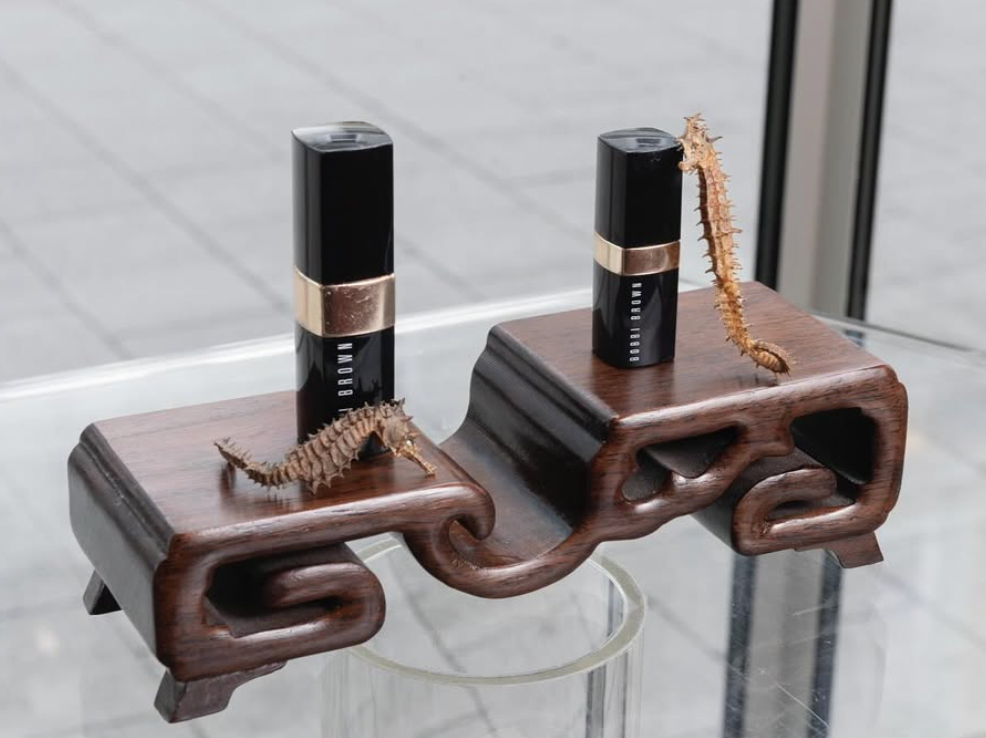
At times I tell myself Jasia’s pictures look even more like paintings than Ant’s paintings. I’m not sure about Jasia’s small altar display sculptures though but that’s ok because I think Jasia wasn’t entirely sold on them either. They work as a nice complement to the rest of the show. They ornament and display ornaments, luring us in with a shop window logic, e.g. dried seahorses laying on Bobbi Brown lipstick cases, a set of keys, coins stacked next to a carved and stylized ‘One Love’ inscription. They work great as set design elements or aesthetic bait but maybe that’s the point. I loved the rest of the show so I don’t really care.


Artist Take / 14 April 2025 / By: Superstar No.8

"Internet Cinema is waiting for something to happen altogether" - Dana Dawud

Dana Dawud’s Open Secret is a psychological operation with Buddhism in its heart. The primary body of the O.S orbital system is Monad (2024-), recut for every screening- so far it has evolved across 20 countries, conjuring the angelic aliens of the New New international style in film. Dana’s ambient theory podcast Pleasurehelmet and her writing series Interview with an Artist are on Soundcloud and Substack. Here is her "Artist Take" with Hollywood Superstar.


Open Secret x Hollywood Superstar at Sands Cinema on 14/4/25, 6pm.

"Internet cinema is waiting for something to happen altogether".

Liza Tegel, choreographer, poet, dancer, internet poet, internet dancer.

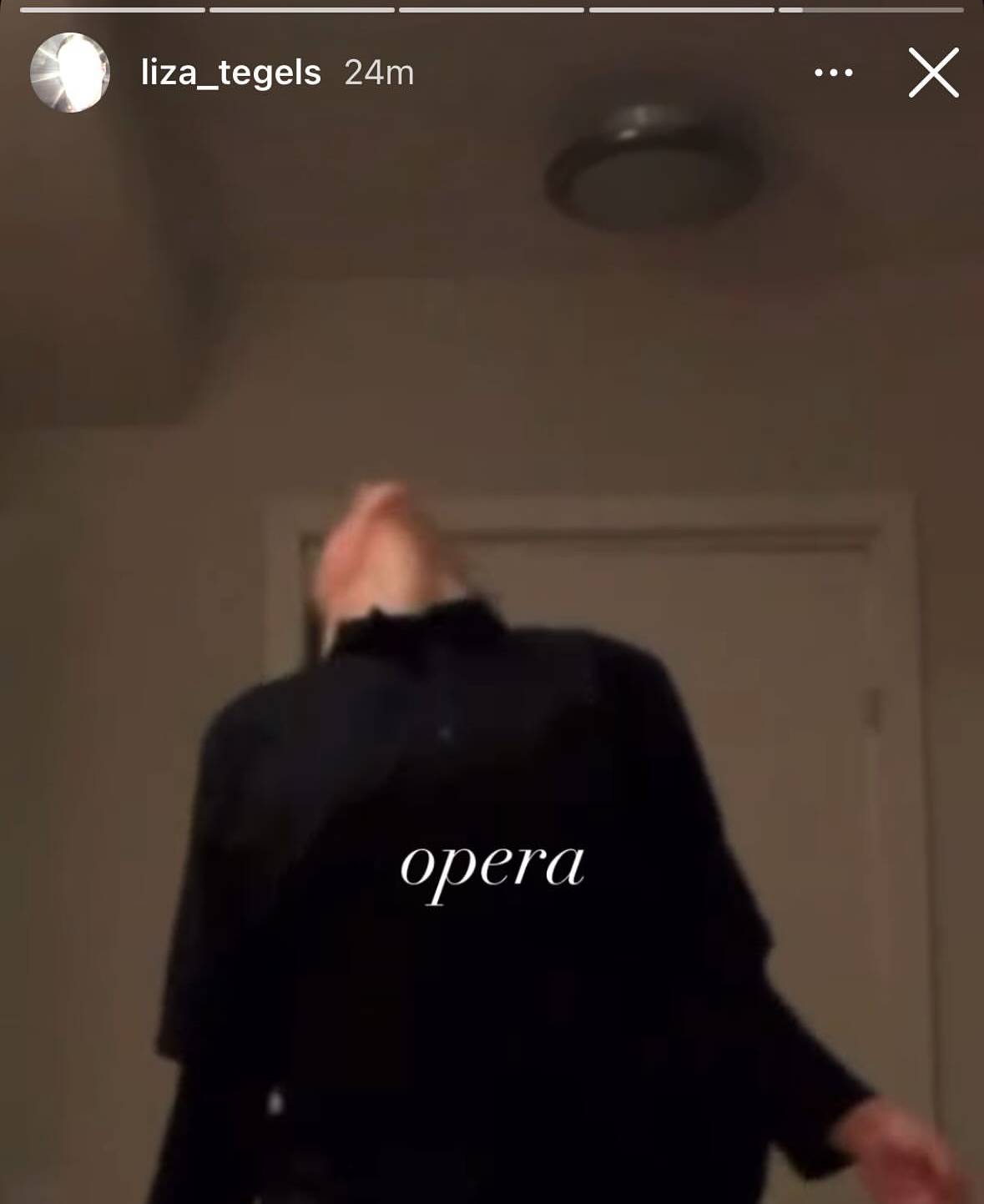
Exceptional presence and so important to the movement of my thought is Liza Tegel, I just revisited the pleasurehelmet episode she did and she says that her work is defined by the phrase “I live to get away from which I lived”. I have always been really into Swedish art/poetry and when I found Liza Tegel https://on.soundcloud.com/eNZYwRSyLxCjjLxs9 Elis Burrau, Jonathan Brott of L’Amour La Mort, Albin Duvkar and others, I was in a way reunited with a scene that somehow I always ready knew and didn’t know and what connects us is understanding that internet poetry is real. She says “Posting is a platform which directs me where I don’t have to be physically present”. In a way posting becomes this movement that carries into these different lines of thought and intersections of subcultures, and Liza’s posting/writing and her dance practice embodies that and more. She is the contemporary to me. The Swedish internet is 10000 years ahead of the west.

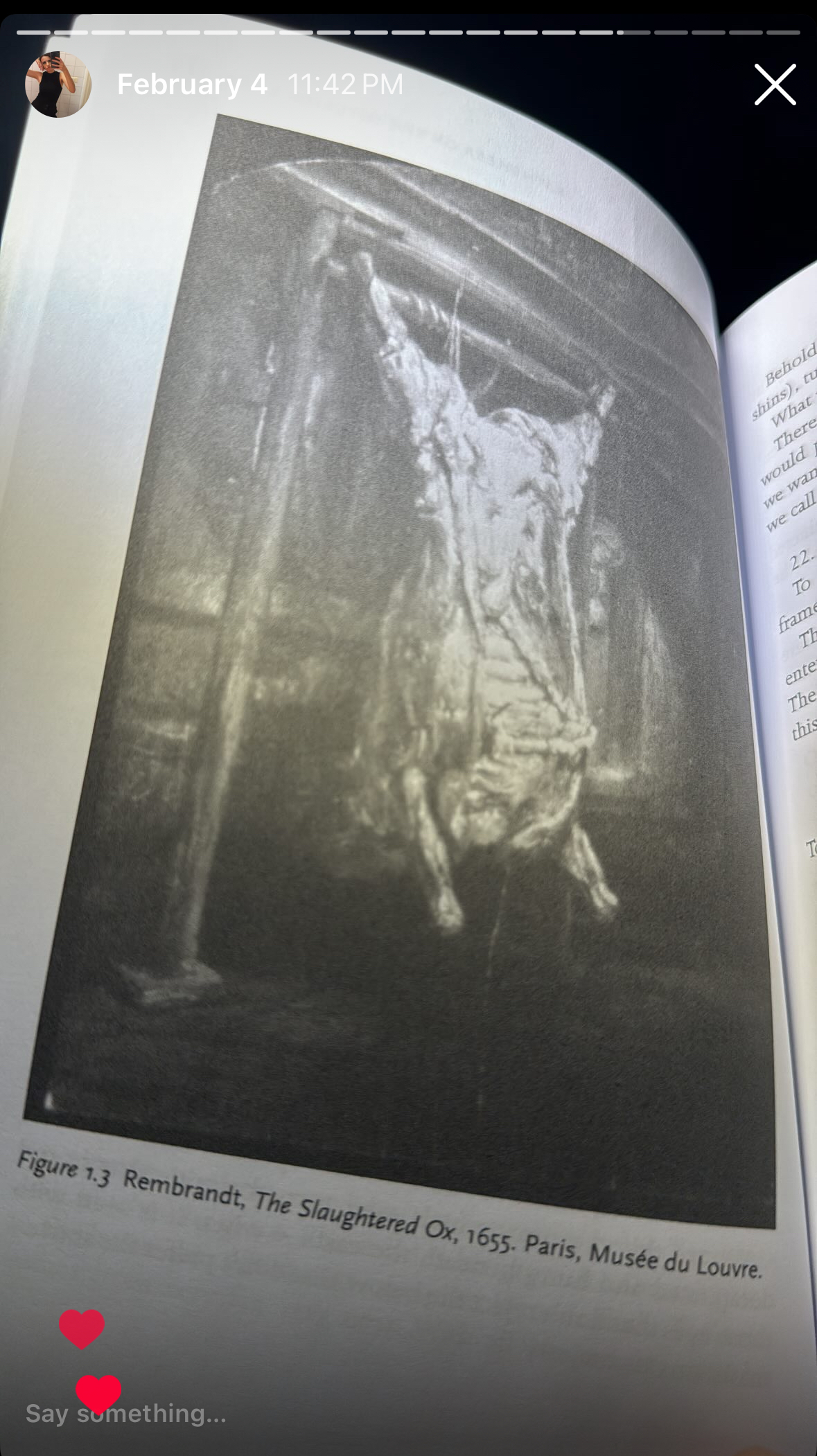
Helen Cioux’s on Rembrant’s Slaughtered Ox, from her essay ‘Bathsheba or the Interior Bible’ (1993)

Bataille argued that the slaughterhouse and the museum share a strange intimacy; this closeness is often expressed in the historical development of both spaces and how the objects in the museum function as the skeletal remains of death and violence, or event the fruits of it. However, Helene Cixous’ reading of the Slaughtered Ox turns the slaughterhouse/the painting into a church, the Ox is crucified and the space of the painting creates the space of that possibility.

Helene Cixous has been very important to me as a writer/painter; her essays, specifically in that book where Rembrandt’s painting is featured, attend to writing/drawing/painting and how the possibility/impossibility of their convergence create new meanings and textures. Typing this on my phone right now makes my thought run differently than typing it on my computer; the screen's smoothness and the touchscreen's intimacy make me feel stronger about every word. I actually started answering these questions on my computer, but I would write only the first sentence. The rest flows better from my fingers into my phone.

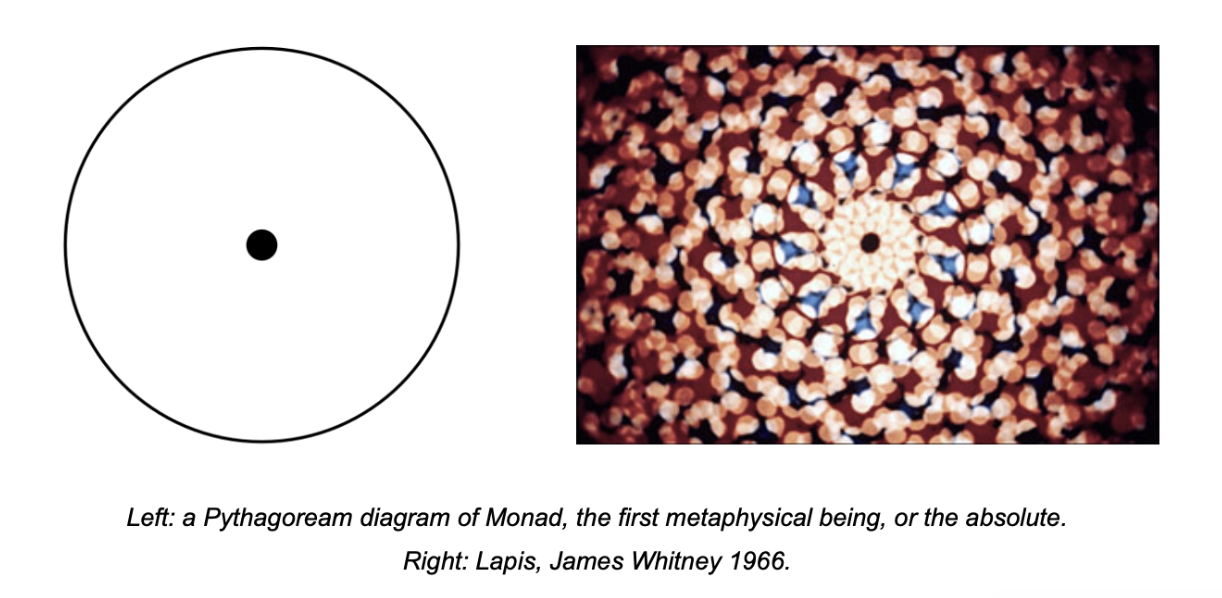
Monadology, Deleuze’s take on the Monad, as inspired by these two pictures.

What interests me the most in Deleuze’s take on Leibniz is the POV of the subject/object and the idea of Baroque perspective. And that is what I’ve been exploring in my film, a baroque perspective in cinema, with folds and unfolds of memetic references, digital imagery and multitudes of iterations from cinematographies from all corners of the planet. The seriality and the iterative with each cut function as an unfolding/folding that takes us closer to the Baroque.

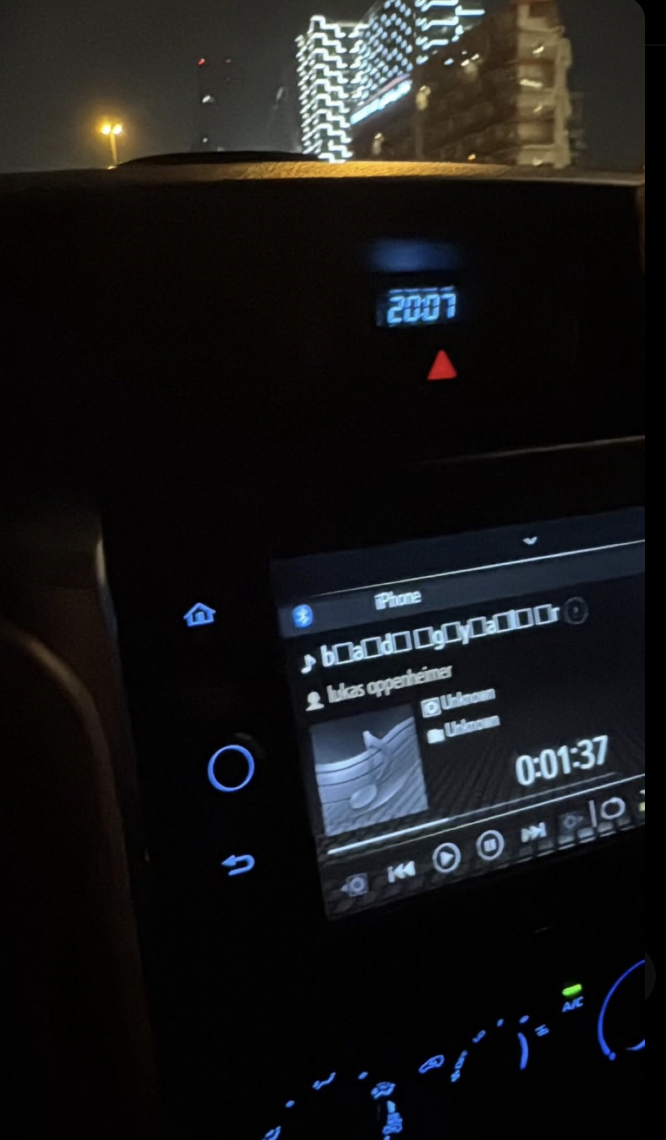
Driving your car in Dubai

Those who know me (specifically my online friends) know that I’m always sending voicenotes while driving my car. Driving, walking or being in any other vehicle while moving through a city is such an immersive experience, there’s always something to look at that passes you by faster than your ability to capture it. The temporality of how things pass you by is always faster than the duration you need to take a photo on your phone; the car is anti-photography. I find that poetic. In Dubai, you have to drive faster than in other places, and the highways are vast and open. My favorite moments are when light refracts off glass skyscrapers.

The Cross Versus The Circle

Spinning the cross quickly creates a circle, and parts of the longer line of the cross can make a tangent while the small one can create a chord. If the cross had equal sides, then it could be a diameter. The cross and the circle are too intimate, like the museum and the slaughterhouse.

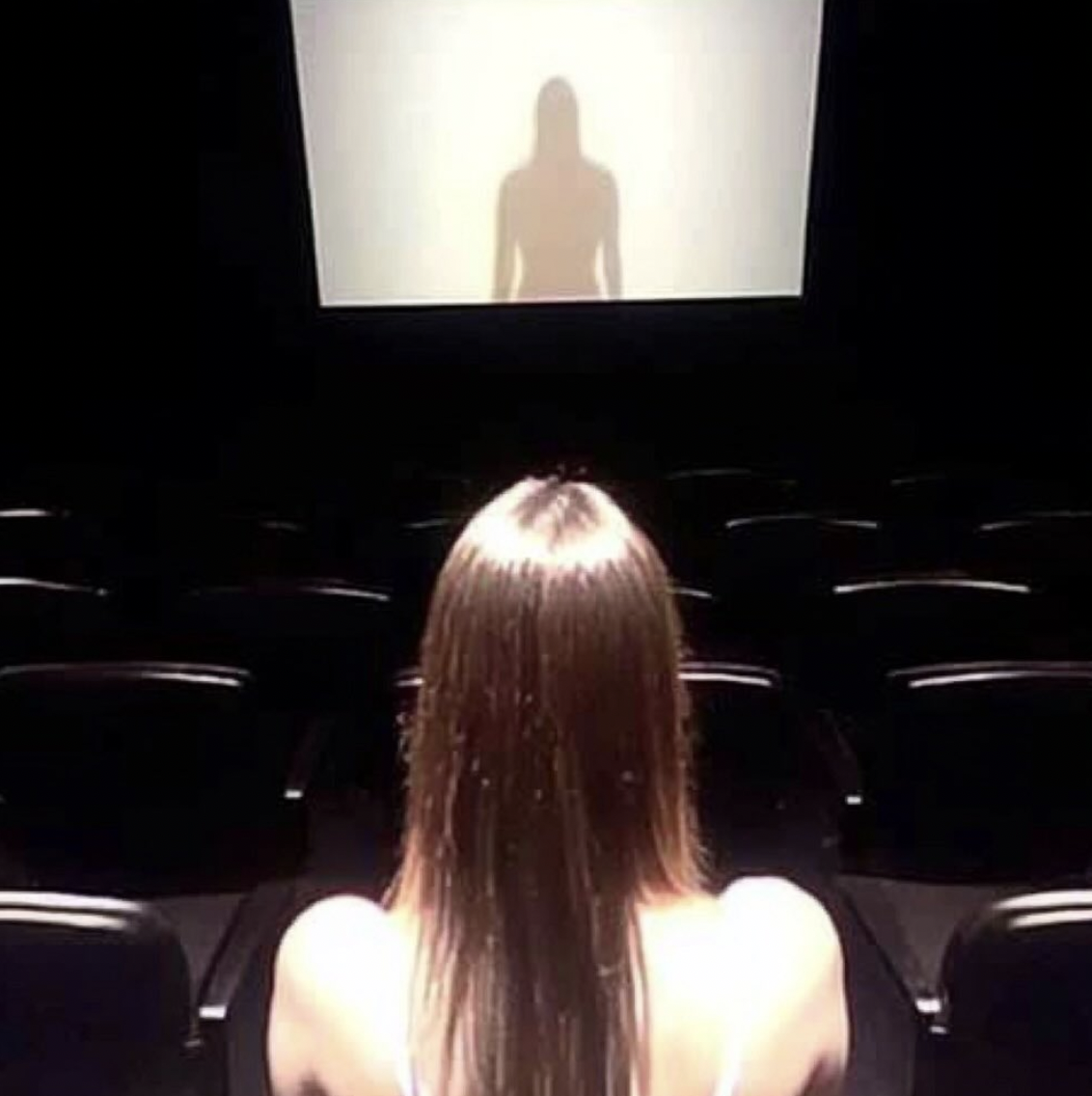
Alien subjectivity in internet Cinema

Going back to perspectivism and thinking about the alien as subject, the alien as the main subject or feminine hero, following Chris Kraus's Alien’s and Anorexia. The image dictates the cut and acts as the alien subjectivity. Internet cinema acts as a space or an environment where alien encounters are expected to happen. It’s like in Chris Kraus’ Gravity and Grace where the group waited for the mystical experience to occur and realised it had already happened because now they are all together waiting for something. Internet cinema is waiting for something to happen together.


Review / 14 April 2025 / By: Josh Brolin /

“Move to Middle America, and reinvent yourself” A Rrose By Any Other Name at Hans Goodrich, Chicago

A Rrose By Any Other Name, Hans Goodrich

I appreciate the opportunity to see work by celebrity artists where that celebr(ity)ation is usually local, or confined to spaces such as Gray, Corbett vs. Dempsey, the museums, the Ren, etc. So - how the hell did this lineup get into a space that’s only held three shows? The duo are clearly connected — unsurprising, given the directors’ previous tenures at various spaces in Chicago and beyond, one of which was called Hans Gallery. Hans Goodrich is a name that, according to the show’s accompanying text, originates in an alias. In 1948, Hugh de Verteuil chose it for the name of his Trinidadian restaurant in the greater Chicago area "although none of his relatives were named Hans, nor carried the surname Goodrich".

This string of nomenclature functions as the lore for the gallery, and it creates an odd relationship to the thematic of the show itself: ‘the malleable nature of identity’. The lore is an anecdote within the text, and so these constructed and referential actions are not only bound by the limits of the show and what’s in it, but the gallery apparatus that puts it on. Is this actually an interesting gesture? I think so, but I don’t think you have to read too much into it as I have - if anything, it allows you to have an ‘aha’ moment of connecting the conceptual space bounded by the show to something more informal and exterior to it.

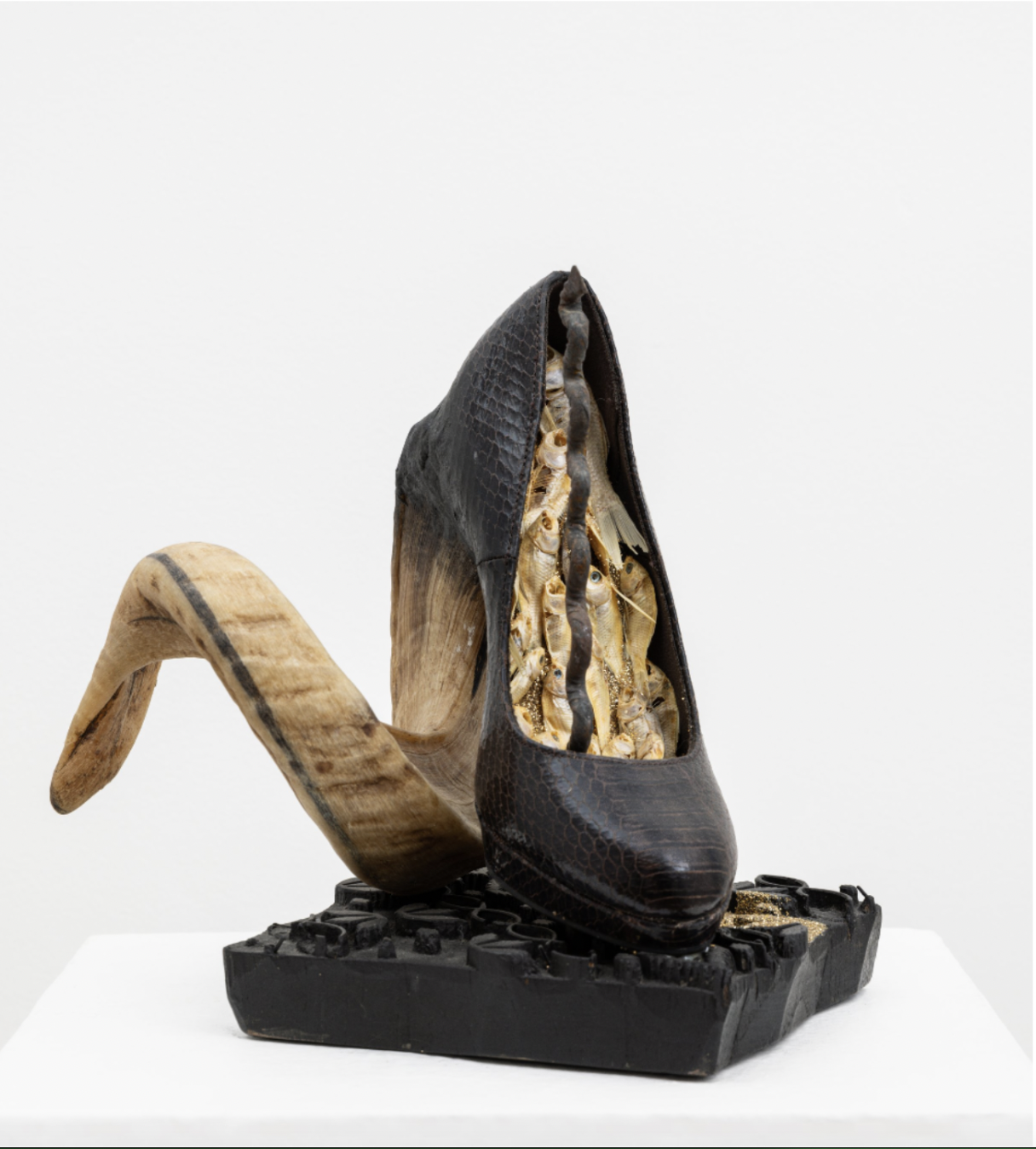
Genesis Breyer P-Orridge and Pippa Garner’s inclusions are probably my favourites in the show - I feel like there is less setup in how the work meshes with theme, and even outside of any ‘does this piece fit in the show’ problematics Breyer’s Shoe Horn #9 (2016) is a hilariously alluring amalgam of mentally, physically and interpersonally preserved objects. If the show’s position is indeed ‘the malleable nature of identity’, the flipside of the viewer’s position is that of untangling it, being a sleuth. Cursory Google searches will give you some, but not all, answers. I find that this resulting subterfuge around gleaning the truth contained within each work is best when the trail runs cold, or at least gets muddy: Vern Blosum is forever a mystery, as per his wishes, and his painting A Rose (2016) is an identity matrix, with no way out, yet even the name can only function as a descriptor of the initial oeuvre: “vernal blossom”. Karen Kilimnik’s Kate Moss at the Beginning (1996) is a deadpan de/reconstruction of early Kate Moss footage, to make as many Kate Moss-es as there are interpellations of her character: it’s Re-materialised lore (it’s actually available to watch on this random youtube upload).

You could say that a symptom of this kind of thematically organised show is an attraction to answers over reflection, which I think holds true for A Rrose… but is not constraining. Even the more direct ‘constructions’ of identity - (Lynn Hershman Leeson’s video work and Larry Johnson’s instructive Untitled (How To Draw Chelsea Manning) (2023), for example - ) hold their own. Its big names with a reasonably high level of quality are installed in an unobtrusive, slightly predictable setup. Leaving with answers is leaving educated, knowing John Dogg is Richard Prince with/and/for Colin de Land, and knowing about J.T. LeRoy and Roberta Breitmore. We’re supposed to leave with something, right?`


Review / 11 April 2025 / By: James Spader /

"Alt-Craft" Review of Stuart McKenzie and Brad Kronz, Galerina at Arcadia Missa

The Old Grey Liver Test, Curated by Galerina at Arcadia Missa

There was no overarching theme in Old Grey Liver Test. A cursory glance at the artwork list, which reads titles like “Youth cult synthesis” or “Dead at 55” alongside the title's explicit reference to a rock-defining 70s show, The Old Grey Whistle Test, makes clear an intention to reach a sardonic middle ground between sincerity and outright irony.

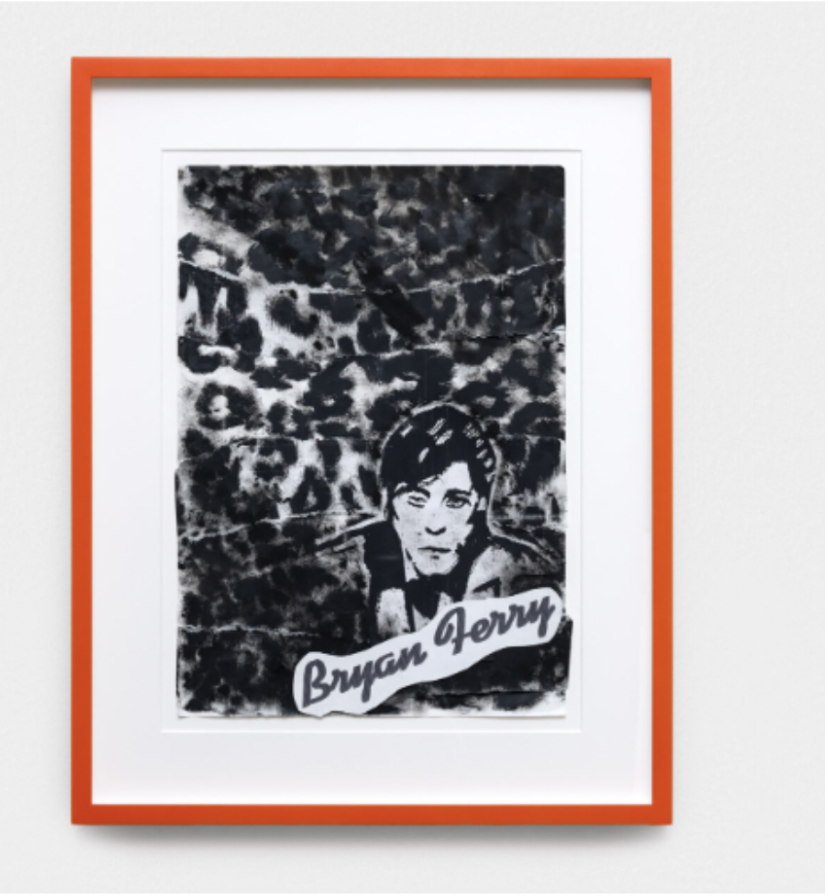
Youth Cult Synthesis, or Dead at 55, 2024, is contained within a neon-orange wood frame. Paracetamol instruction leaflets are layered on top of each other, the text sutured together through a technique (welting) particular to pocket making. As the show text notes, this skill was learnt in Mckenzies days as a studio assistant for Vivienne Westwood - a fact that lends the artist’s late 90s works And I’m Not going to let you wear me like a Tie Pin (1998) and Who Can Out Ferry Ferry (1998) a punky gravitas. These earlier pieces combine tacky, collaged strips of leopard print, the words “Bryan Ferry” written in cursive and a brooding, B&W portrait of the 80s singer. The effect is a fantastically dated, fragmented image of what it is to be a metrosexual ballad singer. McKenzie’s work makes me wonder what it feels like to have one's youth fetishised as a romantic idyll, your memories translated into collective nostalgia, and to laugh about it. Which discarded memories from our time might be framed: a fidget spinner, an obsession with identity, an ironic starter-pack meme?

In Stuart McKenzie’s Left Right, Left Right (2024) the word “Alt” appears on a square of printer tape, hand cut from food packaging. Above, the words “Left, Right, Left, Right” appear printed, like military steps, from a label maker. This semi-serious commentary on our misguided, but ultimately regimented contemporary vision of “The Alternate” (alt-girl, alt-boy) contrasts with less political collages like E’s ruining My Life (2024) whose text reads “Mistaka” on one line and “E,E,E” on another, but is more obviously funny than Gender Critical (2024) which simply reads “He is He”. Sarcasm was inherent to the show - something that feels, now, far more refreshing than an outmoded sincerity.

Brad Kronz’s works are witty, but not about pop culture. In 80s, 70s, a diagrammatic pencil drawing of a shaded square labelled “70s” containing a lighter square labelled “80s”. The paper is framed by two thick, wooden blocks where Kronz has placed strips of paper at an obtuse angle - acting as a sort of theatrical curtain for the minimal drawing. It’s a commentary on performativity within timelines and art historical nomenclature that is felt but not overstated. 80s, 70s aesthetically pleases like a mid-century modern drinks cabinet, while commenting on something as nebulous and subjective as decades.

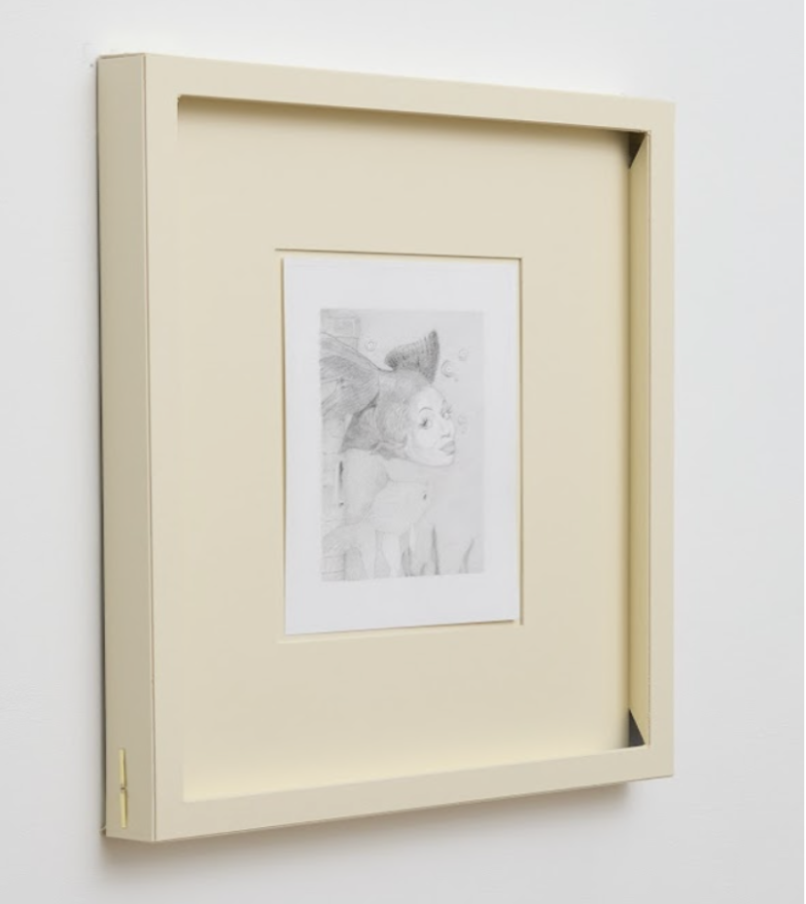
The curious part of Kronz's works is the presence of the figurative. For Independent Artist (2025) Kronz cuts out the internal corners of the frame, forming pockets of shadow that can’t be seen from a frontal view. Frame and drawing become subsumed into a singular artwork, contrasting the separation of the two in McKenzie’s pieces. Kronz’s soft, graphite lines depict, unnervingly, a cartoon fish with a woman's face. Faintly nïave, slightly perverse, resembling a pre-millennium illustrated children’s character or a Henry Darger prepubescent girl.

Old Grey Liver Test is the antithesis of what is leveraged in the more mainstream, highly publicised art world. A show in summer at The Approach made it clear the veracity with which people impose the past onto an indifferent contemporaneity, comparing a new graduate class with the YBA’s, albeit, “more friendly, supportive, inclusive, diverse and international”. Old Grey Liver Test is curated by Galerina, a nomadic gallery run by two twenty-something’s. I felt a strange relief at seeing a show that was not groundbreaking. It neededn't be; it was not trying to redefine, rehash, or rebut anything. The curation proposed a witty, slightly tongue-in-cheek conversation between friends about taste, material fetish and personal nostalgia, focusing on the artists’ careful attention to craftsmanship, wood-making and paper constructs, collage and sewing, word-play and framing.


Review / 4 April 2025 / By: Eileen Slightly /

"I drew Princess Peach and it came out kinda weird"- A Review of Allie Anime ASMR Documentary (10 HOURS) dir. Video Expert (2020)

Allie Anime ASMR Documentary (10 HOURS) is Now Showing as part of Hot Ticket to Public Cinema Programme


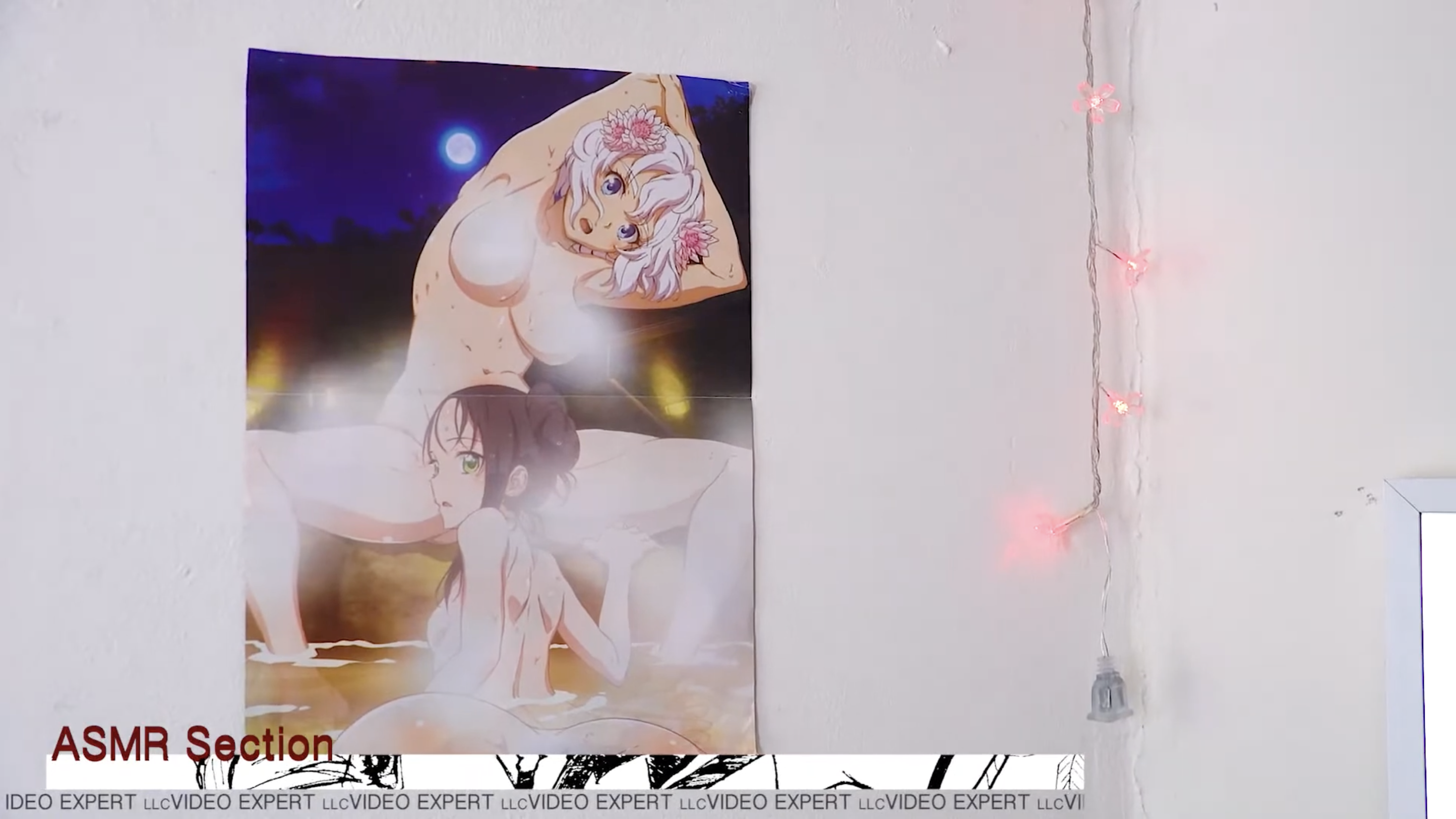
Like the covid era in which it was filmed, Allie Anime ASMR (10 HOURS) is haunted by a masturbatory subtext. The film, presented here in its 4-minute (short version) follows Allie, and how she came to practice drawing hentai. The space of Allie Anime is restrained and titillating. In this analgesic documentary we are invited into two locations: a deserted neighborhood park and to Allie’s apartment, which is stacked with a liberal arts college book collection and covered in unframed posters of glowing girls in purple swimsuits. The binaural 500 Hz Frequencies, the violently saturated green/purple/pinks and the sparse dialogue mix together like the video version of a big spoon of Cal-pol. In this cramped and hypnotic film, the editing takes centre stage in what the VideoExpert call- facetiously- ‘post-liminal cinema’.

The layers of glow filters, lens flares and cartoonish colour grading from self-proclaimed Video Experts Neal Wynne and Sabrina Greco, recalls Damon Packard’s Foxfur (2012)- incidentally, another film built around a sweet and mentally-unbalanced internet artist traipsing delusionally around California. ​​Unlike the blood-pressure-raising plots of Packard’s films, the narratives in VideoExpert films are sparse. Stock characters drift through a (2000s) Lynchian Meta-LA. Allie Anime- a video with just 220 views on YouTube, tucked away in a playlist titled "Sketches"- serves as an early experiment in developing an aesthetic that would culminate in their first feature, VideoExpert1, which premiered at VenueMOT in 2021.

Like Lynch, there is a skin-crawling uneasiness to Allie’s social world that feels like a parody of human connection. Iris-effect red circles pick out frames-within-frames with the hallucinatory objectivity of an outsider conspiracy documentary. The ugly overlays of anime girls that divide the film into sections ‘Documentary’ and ‘ASMR’; fragment the frame and call attention to the surface of the screen, holding off the pleasure of sinking into the smooth depth-illusion of what could-be-called Allie’s ‘Goon Cave’.

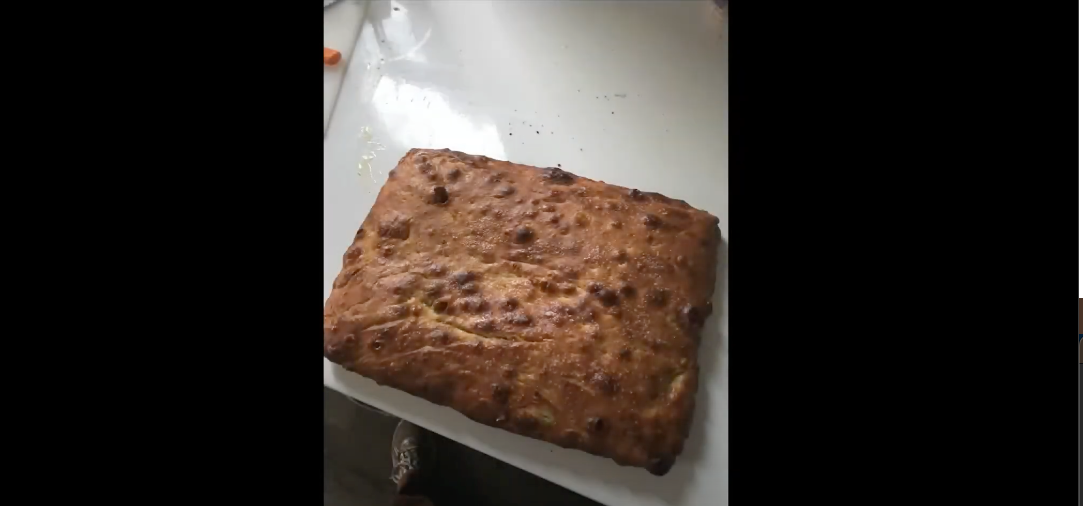
“Okay so everyone is playing Mario Kart on the switch and I drew Princess Peach and it came out kind of weird, but everyone said that looks good.” she says. We watch her make an ugly drawing and share it online; we watch her make an ugly loaf of bread and share it online. The film loops for 10 Hours, I once went to bed with it playing and woke up to her repeating: “everyone said that it looks good.”. Doomed to repeat herself; a victim of mass lifestyle influencing. An animated girl, making her art for others and maybe for her own ambient, alienated, sexual gratification.

Allie’s terrible art and terrible baking is a spoof of brightly-lit didactic lifestyle tutorial content. What Salomé Aguilera Skvirsky has called ‘The Process Genre’ (2024): easily digestible representations of labour that become an aesthetic salve for a society too complex for anyone to understand. The final shots of the film are incredibly mortal: she photographs her loaf in the dark.


Review / 31 March 2025 / By: Issey Kang /

"Meticulously Organised Dollhouse" Review of Gisele Vienne @ Haus am Waldsee, Berlin

Gisele Vienne @ Haus am Waldsee, Berlin

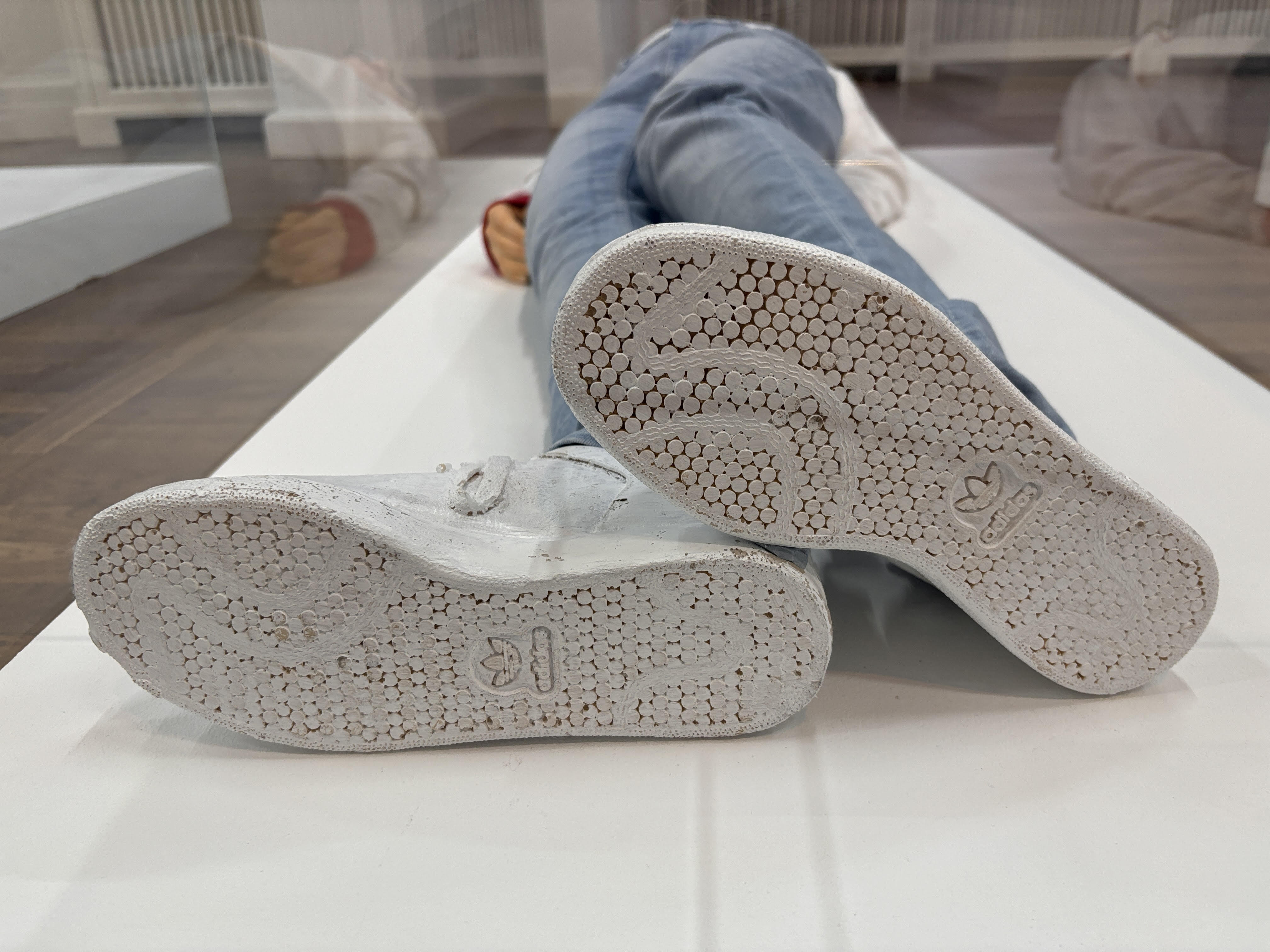
Outside, snow falls and you take off your gloves. There is: a tie-dyed hoodie, a turned back, a pair of hand-cast Mary Janes. To the left, a teen-sized marionette, her feet bound in plaster Fila Disruptors. Behind her, a neon Soundcloud scene is scattered with galaxy print, puppets and luminescent sweets. This is ‘L’Etang’ 2021-ongoing..

The main room holds 12 identical adolescents. Dolls in glass boxes: 2003-2021. They lie in glass caskets, ordered and equally distanced. From inside, there is a secondary view of L’Etang (2020). Here, Vienne’s ability to choreograph space stands out: she dictates the audience’s ability to perceive the artworks, not just compositionally, but via the title. A play insinuates noise and movement, yet I was struck by the profound silence and immobility of the dolls. Directly above the neatly lined glass coffins are identical wooden boxes, bloody and open, remnants of the show I Apologize 2004-2017. Scattered and smeared with gestural marks, tiny handprints: suggestions of action. I get the impression that this is where the dolls “come from”.

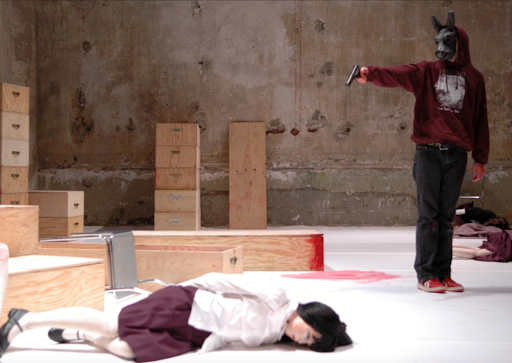
The other connotations of “Play” is the anthropomorphic: teen-sized dolls, girls playing with dolls, the gallery as a dollhouse and the sculpture as a set. A concern with the semiotics of the body is characteristic of Vienne's practice. Her decision to use adolescent figures relates to her vision of the body as battleground: “Pallid complexions, blank stares, frozen faces sometimes splattered with blood and tears…like clues to a culture of repressed violence that haunts our myths of innocent, purity, whiteness.” (Elsa Dorin ‘The Colour of Anguish’ 2021).

What do the dolls represent and what do they tell us about ourselves?

Vienne employs the doll's form as it allows for projected consciousness. The doll's ability to be projected upon enables them to be characterised: “They are also Snow White and Sleeping Beauty; they are the bosom blonde who runs screaming into the forest, believing she is escaping the serial killer” (The Colour of Anguish).

The form of the dolls remains the same, yet each is personified separately through styling. In her styling, Vienne references culturally built up languages, how style can denote personality through the idea that “It’s not only natural but cultural to perceive” (Interview with Gisèle Vienne and Anna Gritz). Vienne adds to the canon of dressing up frequented by artists like Laurie Simmons, Mathilde Ter Heijne and Cindy Sherman. Sherman’s photographic characterisation is a further influence, Vienne captures dolls and puppets as a cast in the photographic series 63 PORTRAITS 2003 - 2024. Here, the dolls are equal parts sad, dejected and self-conscious.

Vienne cites subculture as a crucial backdrop to her work. This is expressed sartorially through delicately articulated styling—a baby pink lace-trimmed top peaks out from beneath a Bambii jersey. Heavy metal merchandise is paired with a monster mask, adjacent to badly applied New Romantic makeup and sportswear.

As our present era emerges as a Victorian parody, it is natural that steampunk is everywhere. In this aesthetic world dolls, automatons and puppets convey anxieties surrounding developments in robotics. Philosopher Kathe Hicks Albrecht believes steampunk has turned from subculture to philosophy: “Many proponents of today’s steampunk aesthetic are part of the burgeoning do-it-yourself (DIY) subculture”. As our technological developments speed up, technocrats emerge, genocide and war rage, Gisèle Vienne’s dolls feel strangely poignant for their rebellion against “mass production…it is this group which interests most directly align with steampunk” (Kathe Hicks Albrecht ‘The Machine anxieties of Steampunk’ 2024)

As Open AI prepares to launch the humanoid robot Neo in 2025, Vienne’s ‘A Puppet Play’ takes on a more urgent meaning. Perhaps we can learn from Vienne ’s understanding of the power of articulation in stage setting, styling, movement direction, and craft, as well as the underlying sensibility of care in the perception of humans and the post-human form.


Essay / 27 March 2025 / By: Claire Buchanan

Shoes as Praxis: "Babysitters, Dilettantes and United Nude"

Claire Buchanan expresses nostalgia for the world-building of the forgotten pixellated shoe brand United Nude.

Listen while you read: Miss Kittin & The Hacker - L'Homme dans l'Ombre

When I was ten years old, I had a babysitter named Shira-Rose. Shira-Rose was in her twenties and part of an improv dance troop. It was 2012. I idolised Shira-Rose in the way that any ten-year-old girl without a sister would idolise a cool babysitter. She was funny and intrepid and spoke to me like an adult, even if I was only ten. She also dressed like no one else I had met before. She wore a lot of neon spandex and what seemed like fifty-thick plexi bangles on one arm at all times. She cut up her t-shirts and tied them back together to make braided cutouts on the side. She wore stilettos to pick me up from the school bus.

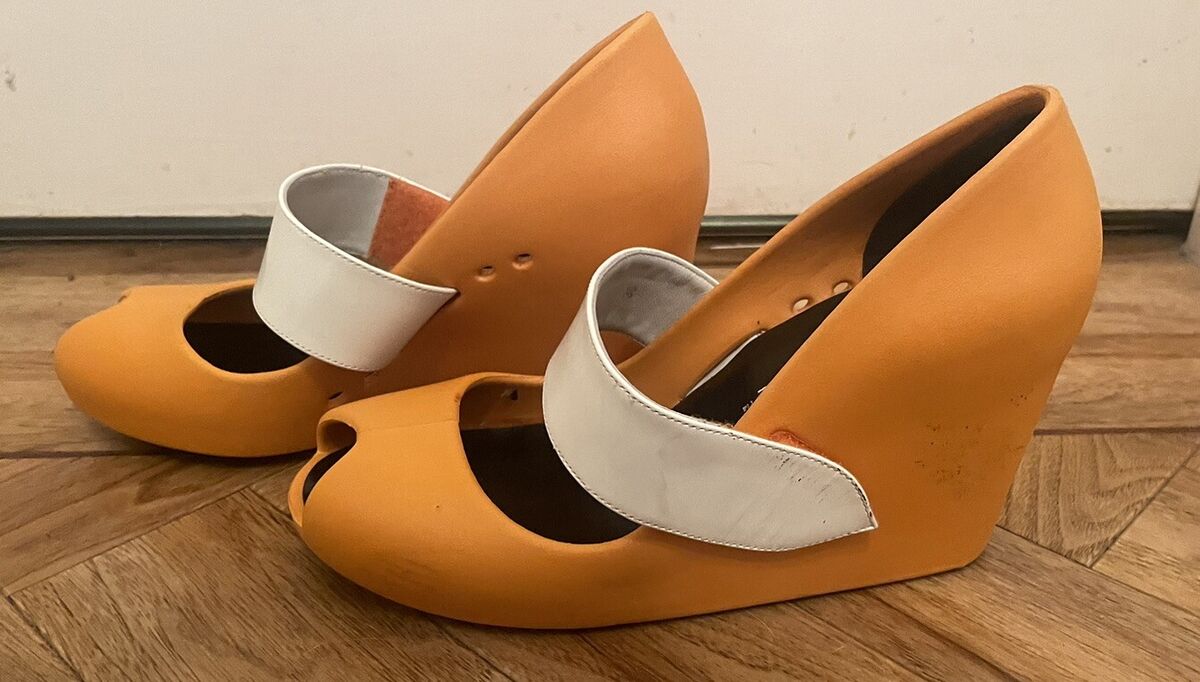
Shira-Rose had one pair of heels that I remember distinctly: foamy-looking rubber wedges in bright apricot with a shiny white patent strap. They were the perfect shoe for a babysitter on the move: practical, otherworldly and simultaneously elementary - elementary in their colour scheme and silhouette. Years later, I was scouring the internet for a pair of heels and found Shira-Rose’s apricot pair staring back at me from the screen. I bought the same pair in grey, becoming obsessed, not only with the shoes, but with their strange maker: United Nude.

United Nude was founded in 2003 by Rem D Koolhaas (nephew of postmodern Dutch architect Rem Koolhaas) and Galahad Clark, heir of the Clark’s shoe family. Their website contains a laughably aspirational blurb, citing heritage and architectural pretensions:

“As the brain-child of architecturally-trained designer Rem D. Koolhaas, the nephew and namesake of renowned architect Rem Koolhaas, the brand is guided by an unwavering commitment to pushing the boundaries of footwear design. Each product is a reinterpretation of an architectural object - an exploration of the possibilities offered by movement, colors, and materials.”

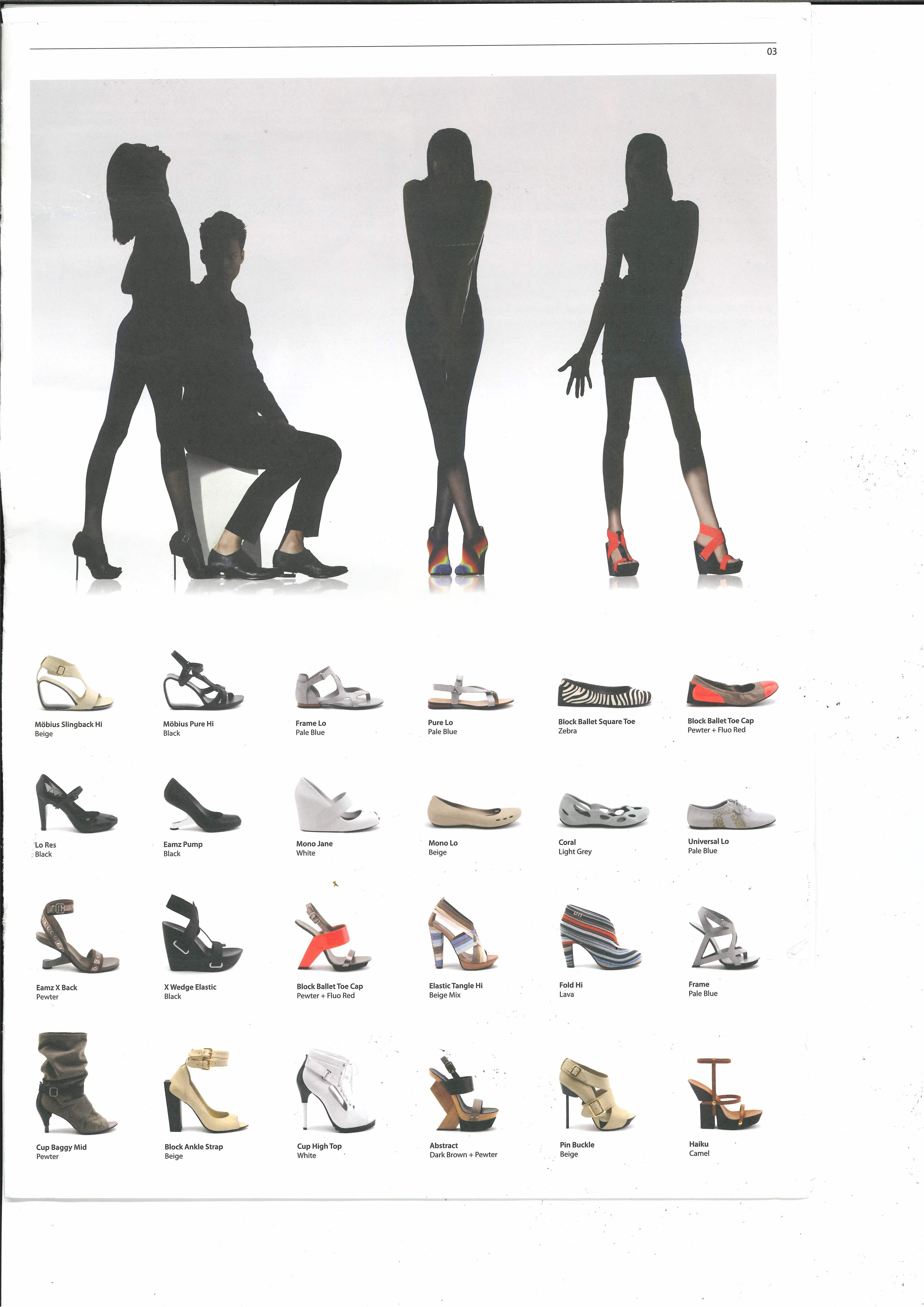
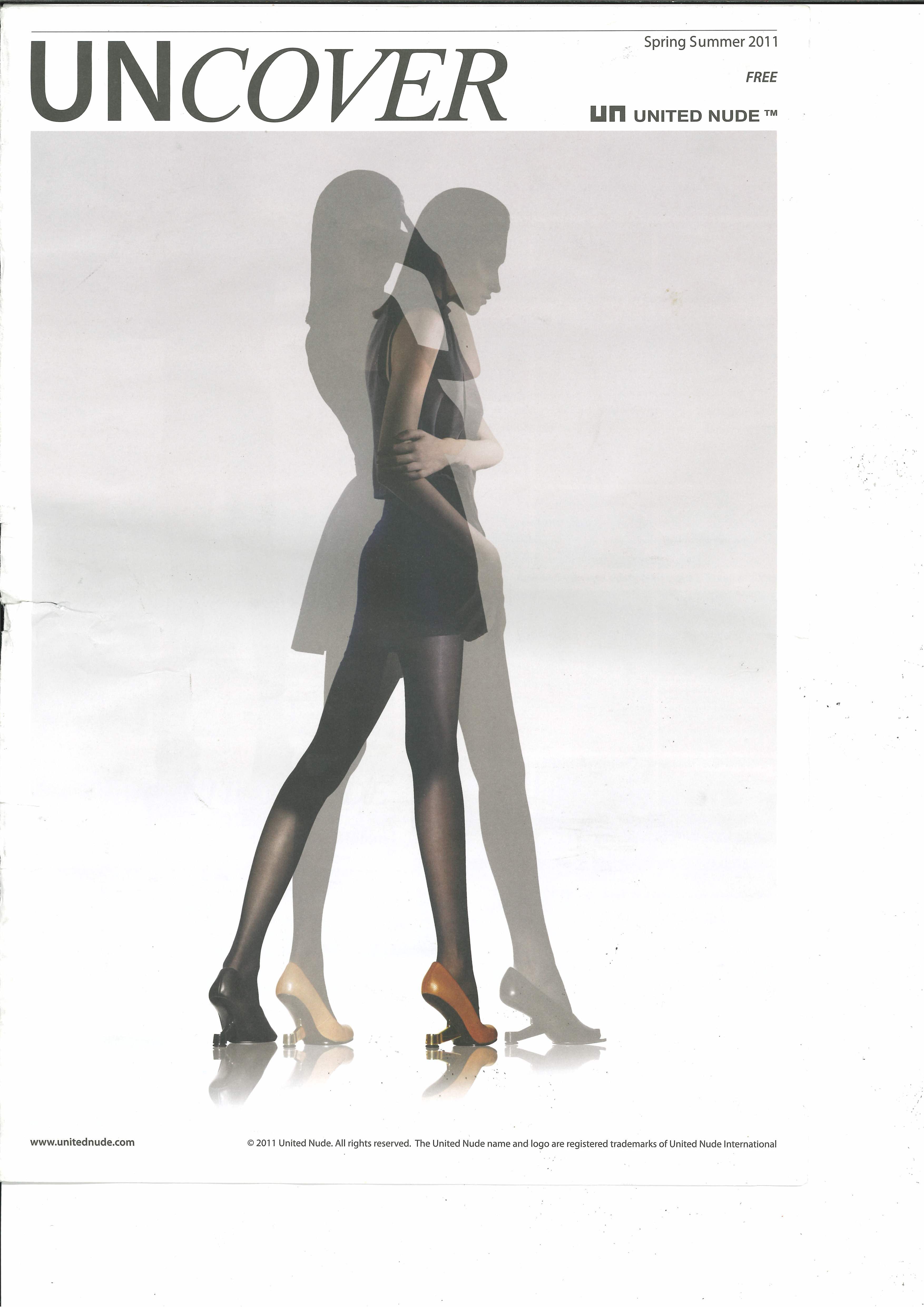
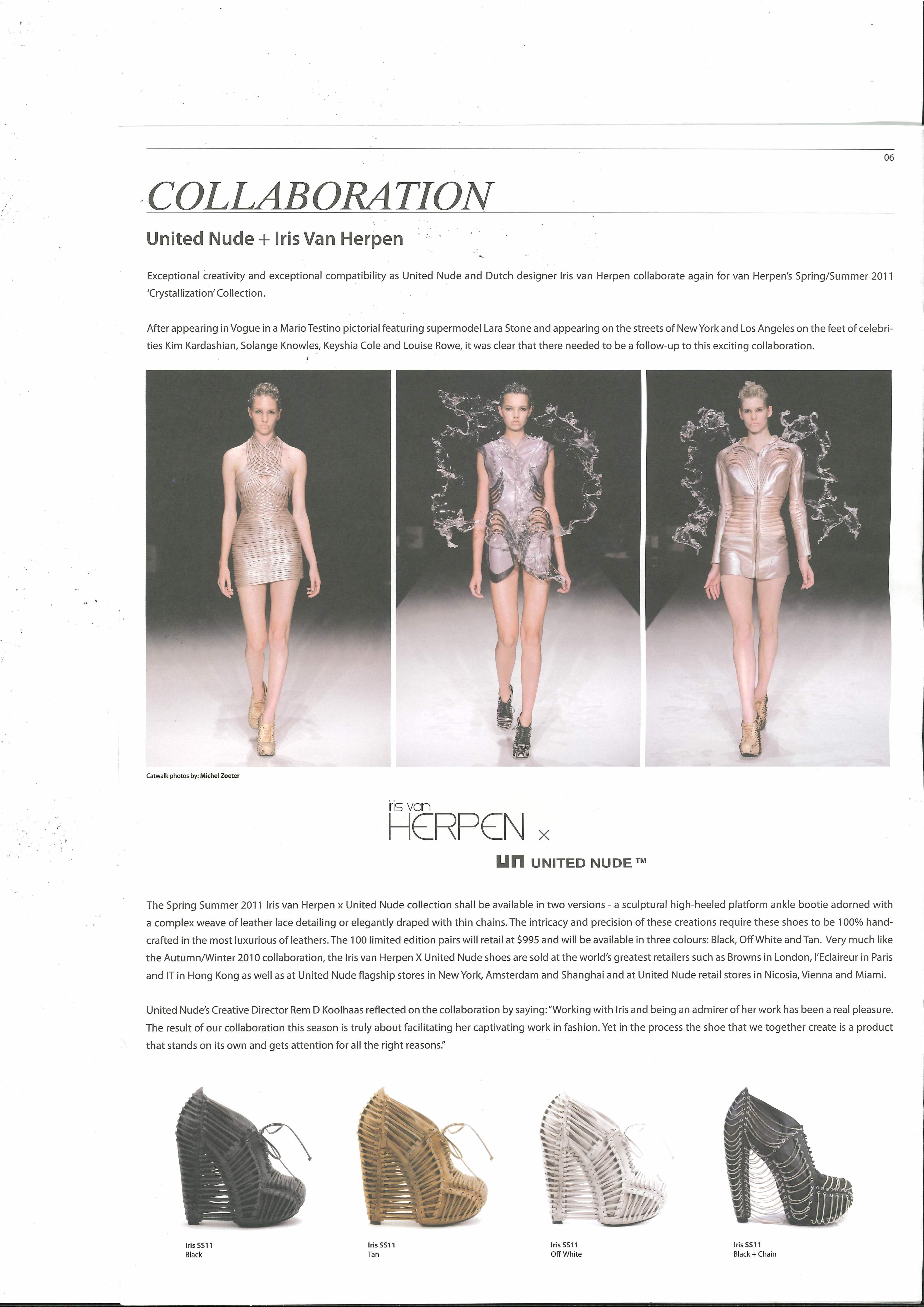
In the noughties, United Nude shoes were made in bubblegum pinks, hazy, eggy yellows and electric blues. They had patent straps as shiny as new cars; clean matte leathers like a psychiatrist's sofa. Mylar, PVC, and soft rubbers constructed a feeling of minimalist space-age. Campaigns featured hazy silhouettes with illuminated, glowing feet. The shoes were by no means athletic but displayed some level of corpo-athleticism, the kind that occurs on the floor of a sleazy gallery like the one Marnie works at in Girls. United Nude collaborated with Iris Van Herpen, Zaha Hadid and Viktor & Rolf. In 2011, during Miami Art Basel, they opened their Miami store and ‘gallery’ where they showed photos and sculptural works alongside their shoes. The perfect shoe for an exceptional babysitter could also be a perfect shoe for the aimless dilettante: halfway between the art world, fashion week parties and her own self-delusion.

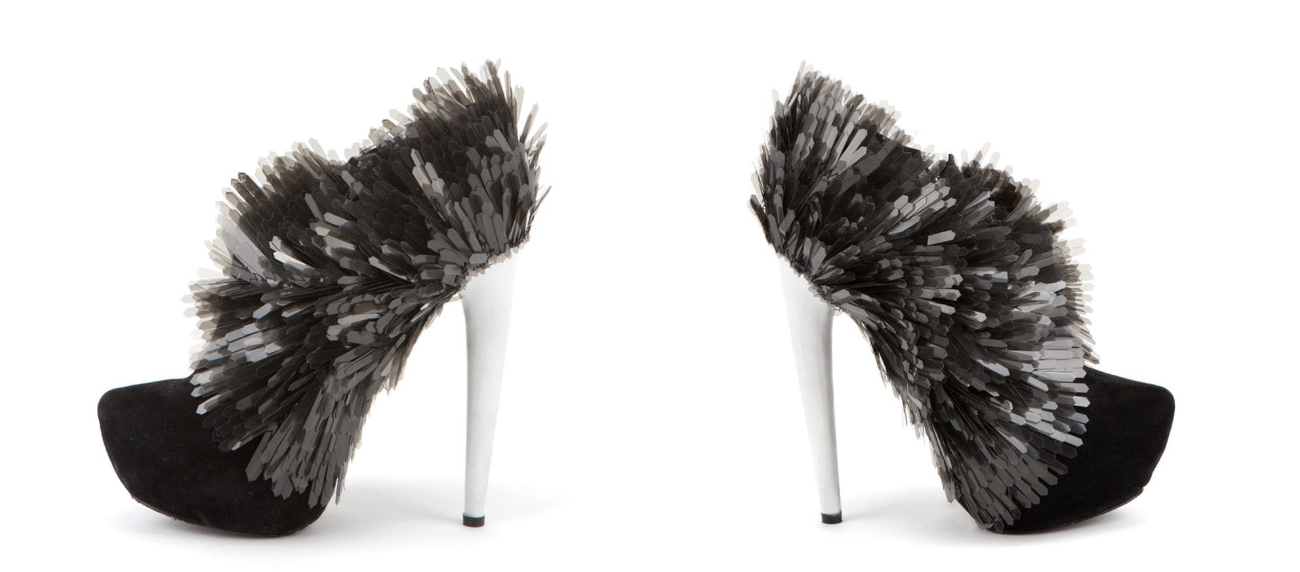
Iris Van Herpen x United Nude (Source: United Nude Spring Summer 2011 UNCover Publication)

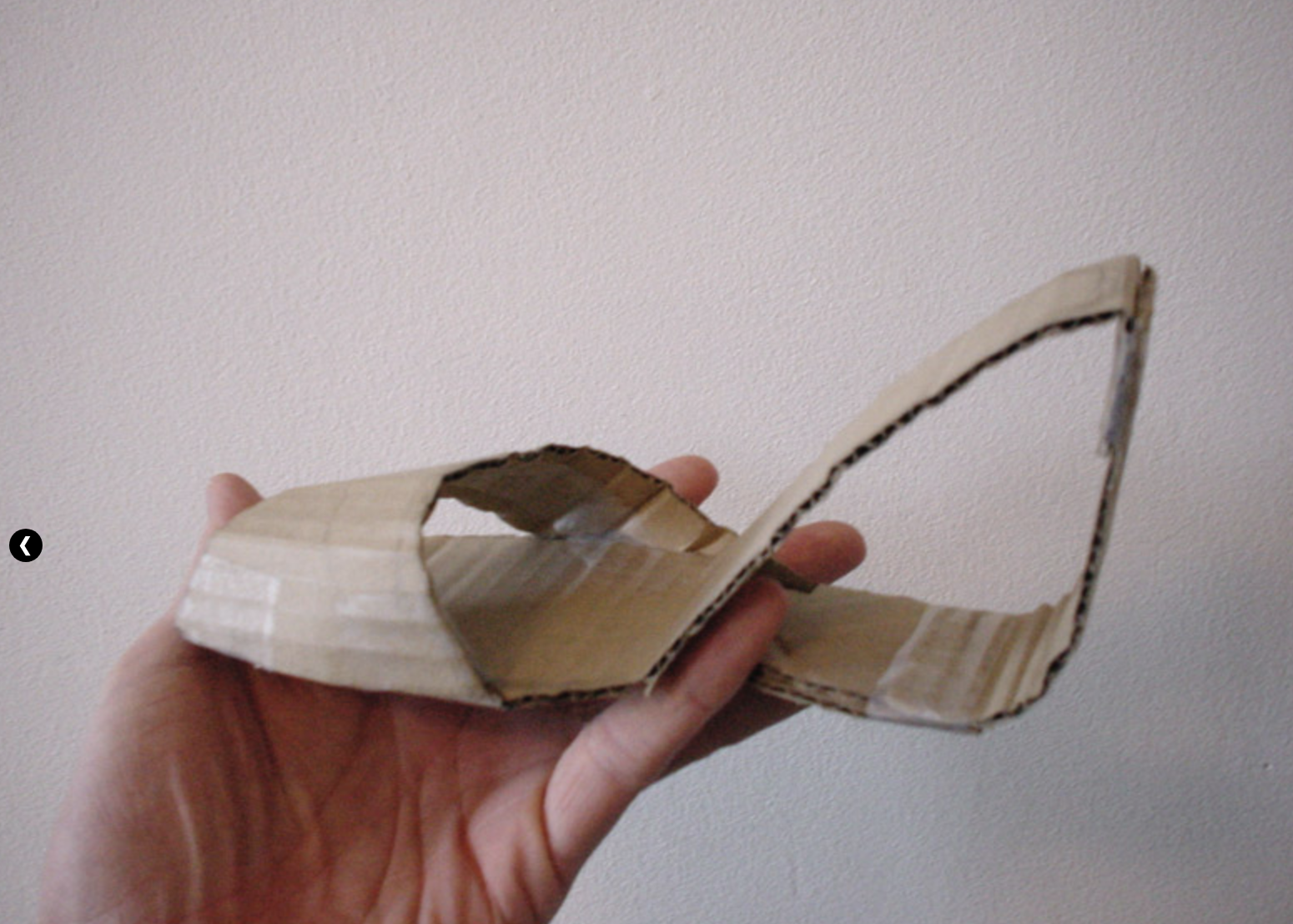
Koolhaas’ Mobius Prototype (Source: United Nude)

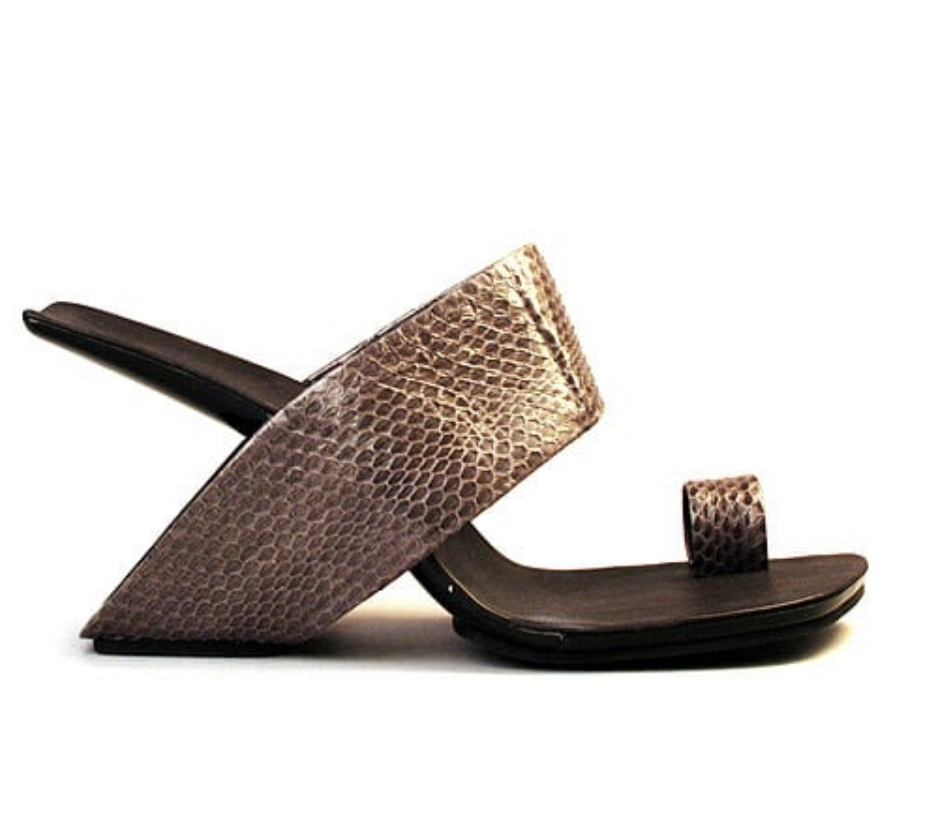
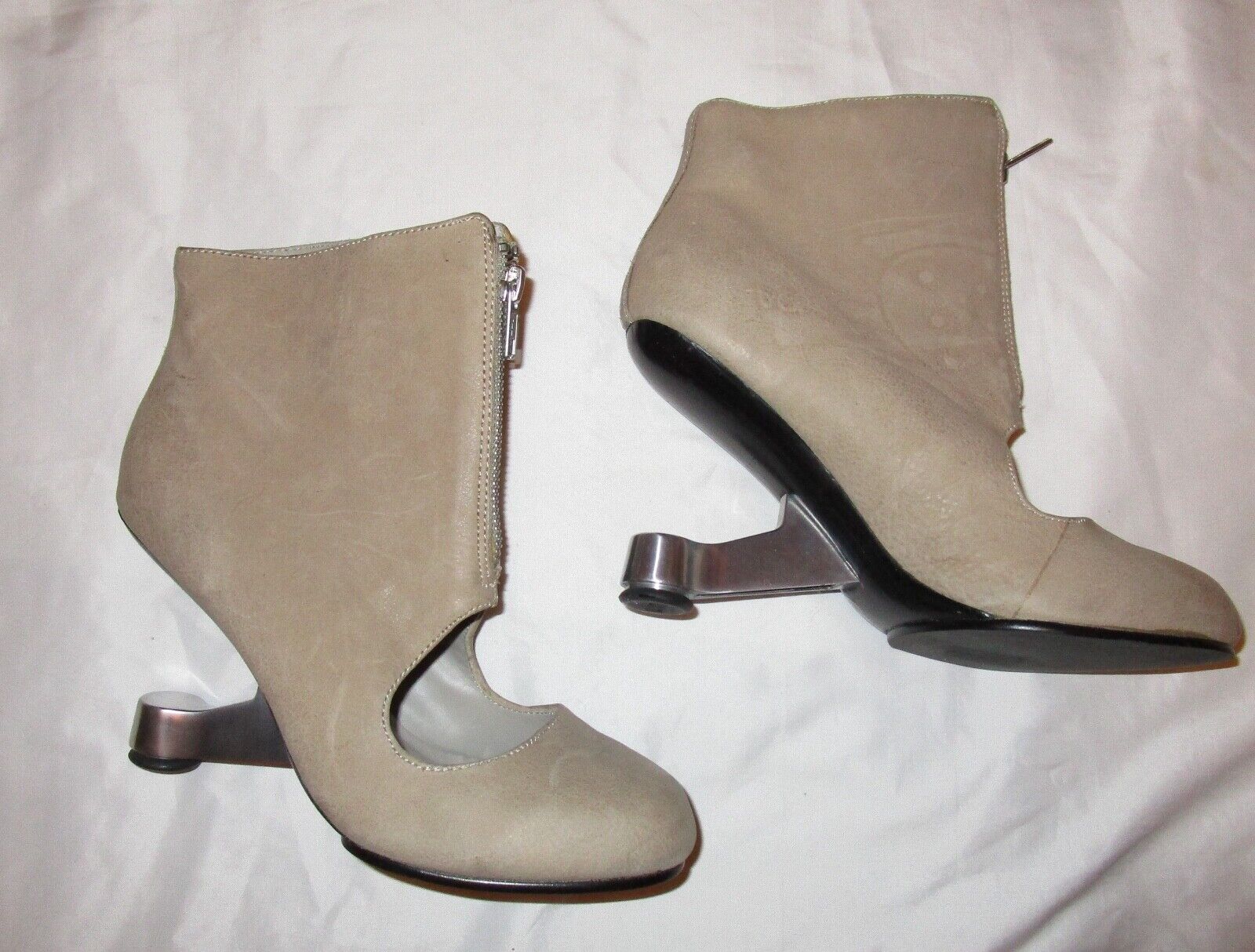
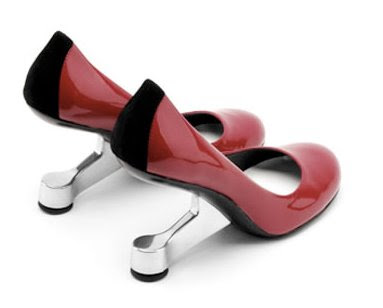
United Nude released a line of shoes called ‘Eamz’ in 2011, named after the leather office chair Ray and Charles Eames designed in 1956. This series of shoes featured heels, boots and lace-ups with a protruding steel heel that imitated the base of the chair. The shoe's construction created an illusion of a foot suspended in mid-air, as if the wearer might exist in some zero-gravity space when she slips it on. The ‘Eamz’ shoe concerned itself structurally with negative space, balance and stability. While contemporary clothing design doesn’t necessarily need to respond to the same level of practical parameters, the shoe, as it holds up the foot and aims to keep the wearer balanced, must consider some small feat of engineered function. United Nude shoes were a moving structure, carrying the wearer through the city, from hot pavement to air-conditioned offices to trembling dance floors beside thronging, open bars.

The ‘Eamz’ Shoe (Image 1: eBay, Image 2: United Nude)

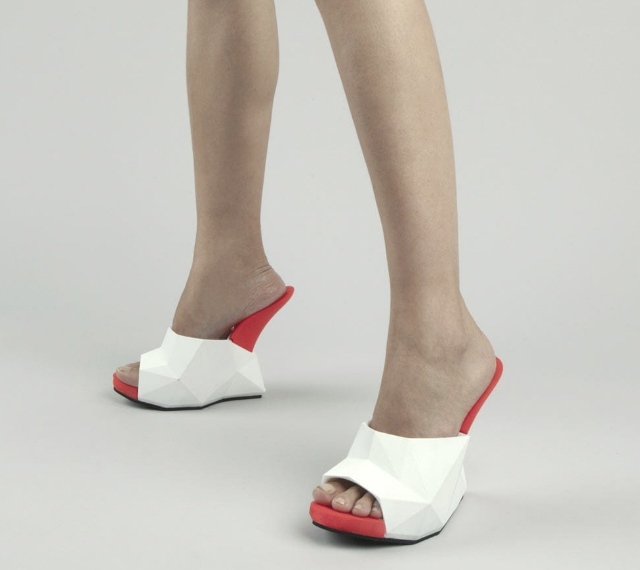
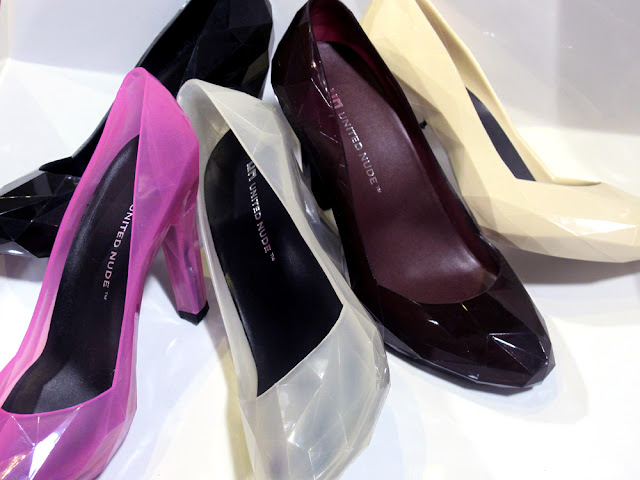
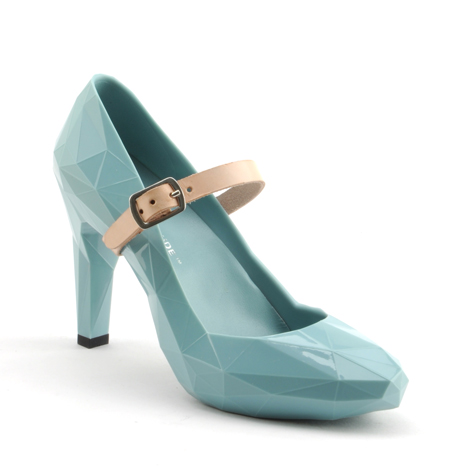
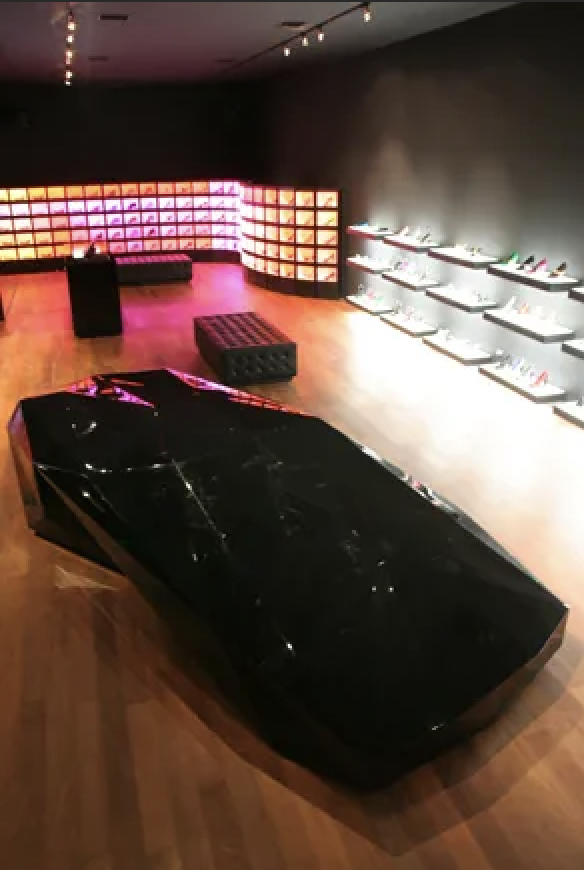
Situating themselves within the world of avant-garde design, United Nude also heavily co-opted the aesthetics of futurism, which was rampant following the millennium. The conceptual holo-screen, megapixel or the flash of a DSLR is realised in United Nude’s ‘Lo Res’ shoe. Inspired by early digital 3-D rendering systems that Koolhaas used at university when studying architecture, the shoe took on geometric surface like a glitchy disco ball. United Nude also designed a model for a Lamborghini using the same system, displayed in their flagship stores alongside the shoes. Techno-optimism was central to United Nude’s direction, reflecting a fantasy relevant at the time, that to most of us now feels painfully tired and charged. Actually, Koolhaas recently contributed to the prototype design of Tesla’s Cybertruck. As tech and automation industries become increasingly adjacent to rising fascist aims, garnering the same optimism for a future of technology no longer seems plausible.

The ‘Lo Res’ Shoe (Image 1&2: United Nude)

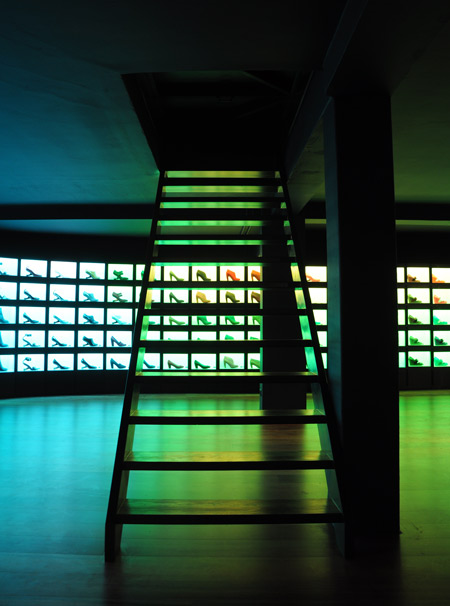
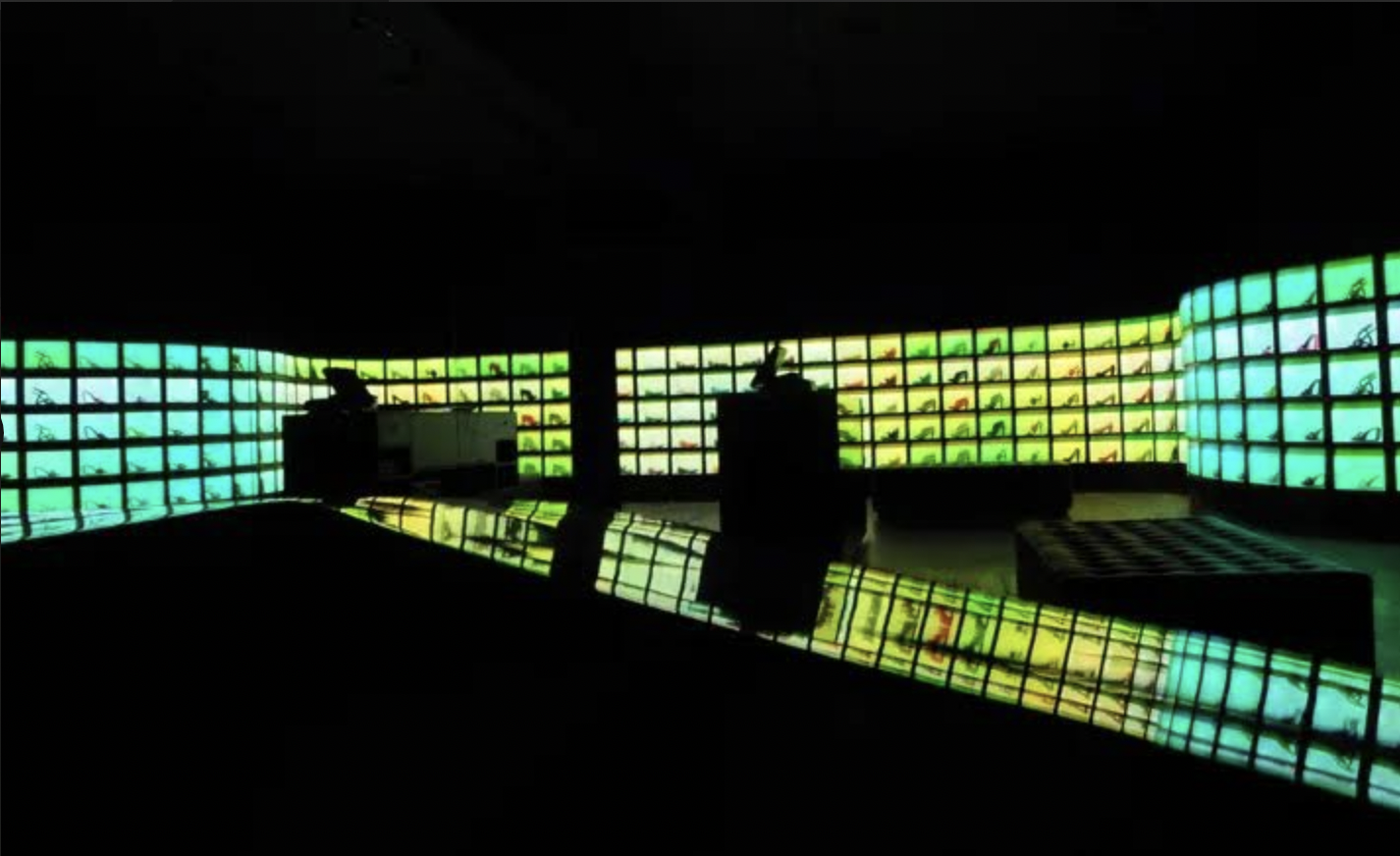
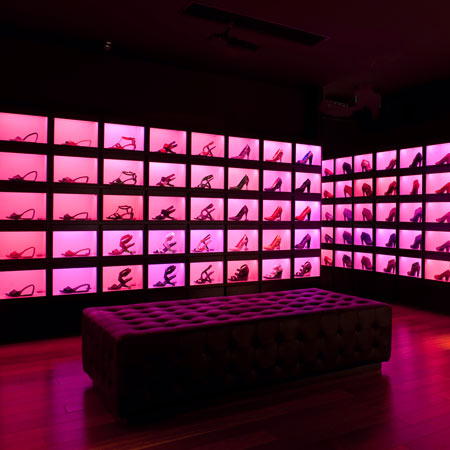
On Flickr, I found a lot of images of the store displays. At its peak, the brand had flagship stores in New York, London, Miami, Amsterdam and Shanghai. The lighting was akin to swanky downtown clubs, walls lined with shoes nestled into grid cubbies engulfed in glowing LED hues. The store wall concept was trademarked by United Nude in 2009 and called the Wall of Light™. The LEDs were programmed to oscillate with whatever song would be playing inside. One Reddit user described their shopping experience in the Bond Street store as “utterly overwhelming, nauseating and hypnotising… Ladytron was playing so loudly I couldn’t hear myself think.”

The Lamborghini Model, Lo Res Concept Car

Having never visited a United Nude store or any store with such an ambitious concept, I can only fantasise about what kind of feeling a shopping experience like this would have left me with. For those of us born either just before or after the millennium and interested in clothing and shoes of the past, the act of shopping is almost inseparable from another, sometimes arduous and definitely anonymous process of scrolling. Pixelated square images replace the windows of stores that were once designed for consumers to absorb a message, concept or feeling --then buy something. While the stated ambitions of United Nude, to stand as some convergence of architecture, design, fashion and technology are kind of goofy at best and fall ostentatiously flat at worst, this level of considered world-building around the marketing of one product and spatial concept is something that I wish we saw more of now.

By 2016, United Nude closed almost all of their storefronts. The only store left standing today is in Amsterdam. United Nude still makes shoes though much of the vibrancy and bubbliness has now been replaced with safer silhouettes and lackluster beiges. The futurisms of early United Nude, the frenzy around the potential of technology, where shopping in stores was still a default on the precipice of an internet that would become a constant presence in our pocket, have quickly been replaced by rightful skepticism, malaise and nostalgia for something
much older. But the shoes themselves remain, at least to me, as rubbery relics of a strange, playful mirage before the storm.